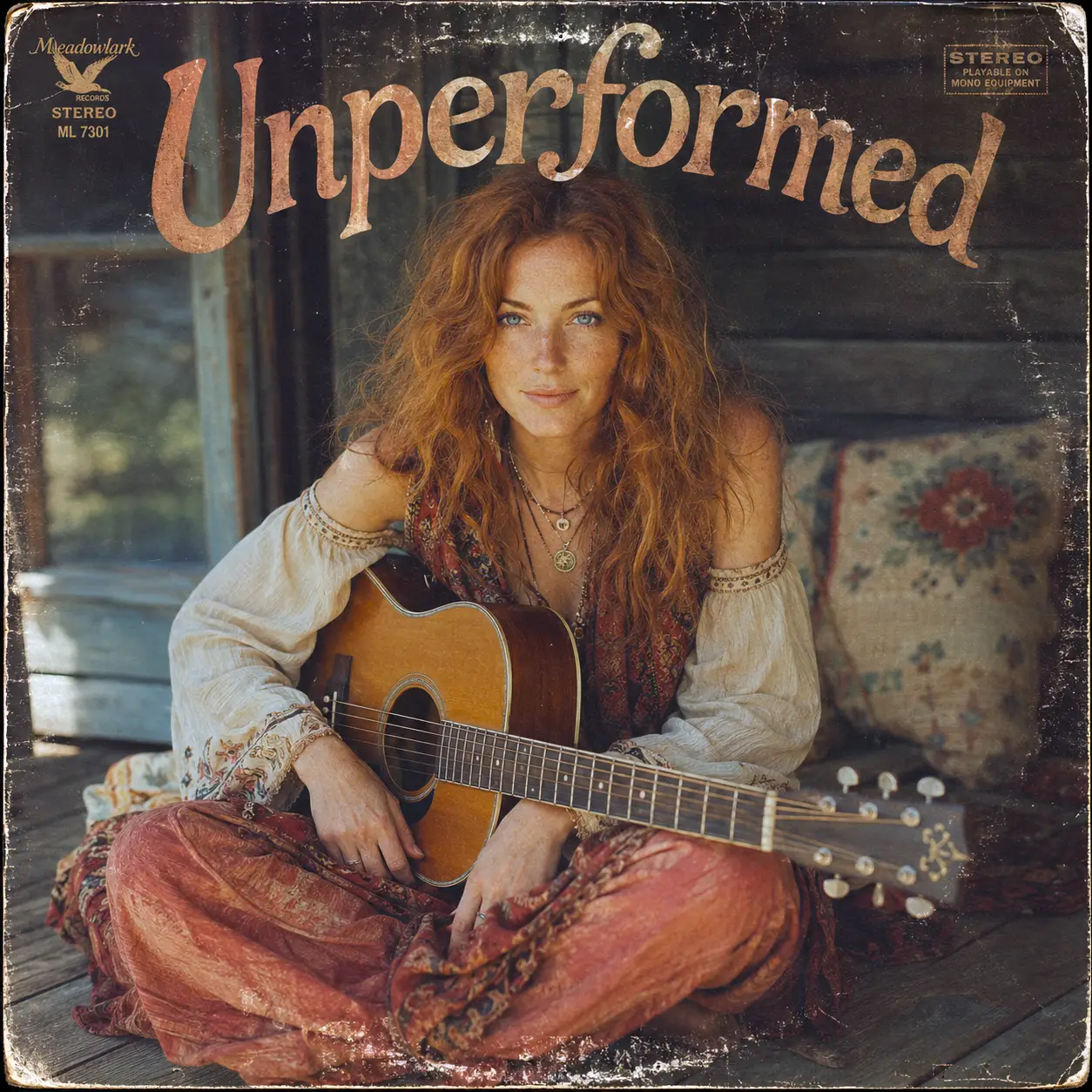
An Atypical Folk Story
AI Process/Open Source Software: HUMAN, Google Flow Music (Lyria 3.5), Claude.ai, ChatGPT, Perchance.org – DAW: Audacity 4 (alpha), OS: Linux (Ubuntu 26.04)
Unperformed – Full Album (49:33)
Google Deep Dive Podcast: An Unperformed Life
Music Generation Prompt
Core genre (foundation)
Acoustic folk, singer-songwriter
Fused with
Jazz (unresolved, extended chord voicings; melodic upright bass; loose, rubato time-feel) + light chamber/orchestral color (sparse piano, woodwinds, or strings used sparingly, not as a wall of sound)
Defining technique
Finger-picked acoustic guitar in open/alternate tunings, not standard chord shapes, giving a droning, modal quality
Rhythm section
Understated, melodic (not rhythmic) upright bass; brushed drums or no drums at all; tempo that breathes rather than sitting on a strict grid
Production era/character
Warm, intimate, close-mic’d 1970s acoustic recording, no digital sheen, no compression-heavy modern polish
One-line synthesis of the above
Acoustic folk fused with jazz harmony and light chamber coloring, built on fingerpicked open-tuned guitar, melodic upright bass, and rubato time, captured in a warm, intimate 1970s folk-production style.
Detailed prompt
Female vocalist with a high, clear, elastic soprano voice, capable of wide unpredictable melodic leaps and swooping glissandos rather than staying on expected scale tones; conversational, rhythmically loose phrasing that floats ahead of or behind the beat like natural speech; open, unconventional guitar tunings (alternate/open tunings) giving chords a droning, modal, slightly unresolved quality rather than standard major/minor chord shapes; finger-picked acoustic guitar as the primary instrument, intricate and syncopated rather than strummed; jazz-inflected chord voicings with added 9ths, suspended chords, and unexpected harmonic movement instead of simple pop progressions; loose, intimate folk-singer-songwriter production, close-mic’d and warm, not polished or radio-compressed; song structures that avoid strict verse-chorus repetition, favoring through-composed, narrative, evolving sections; upright or fretless bass with a warm, rounded, melodic (not rhythmic) role, often walking independently under the harmony; occasional soft jazz drums with brushes, subtle and understated, sometimes entirely absent; sparse, tasteful additional instrumentation, a hint of piano, dulcimer, or subtle strings and woodwinds (flute, clarinet, saxophone) used as coloration rather than backing; introspective, poetic, image-rich lyrical delivery with a plainspoken, diary-like intimacy; tempo that breathes and rubatos rather than locking to a strict grid; overall mood, autumnal, wistful, emotionally exposed, wandering, and unhurried; recorded acoustic warmth over digital sheen, late-1960s/early-1970s singer-songwriter aesthetic.
UNPERFORMED, Track Sequence
01. Unperformed
Overture. She declares, almost from some future vantage point, that she has stopped performing, sexually, socially, in every relationship. The album’s thesis, stated before we’ve earned it.

02. Wild Apple Wine
The numbing. Drinking as an attempt to escape a life she hasn’t yet admitted she’s performing, followed by the first hard look in the mirror.
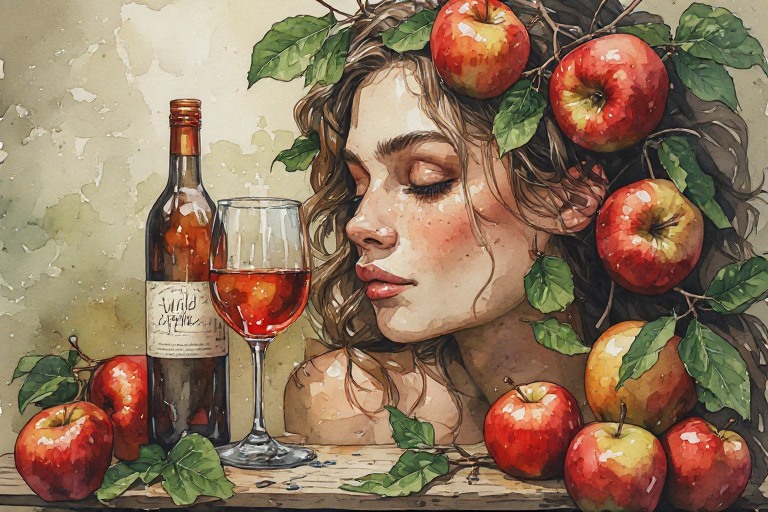
03. Limestone Drive
Backstory, a childhood spent not fitting in, which produced both loneliness and a fearless, observational distance, and a low, constant hum of wanting more world than the one she’s been given.

04. The Cedar Porch
The social machinery that taught her to perform in the first place, village gossip, being disliked “for coming across as very sexual,” surveillance versus interior truth.
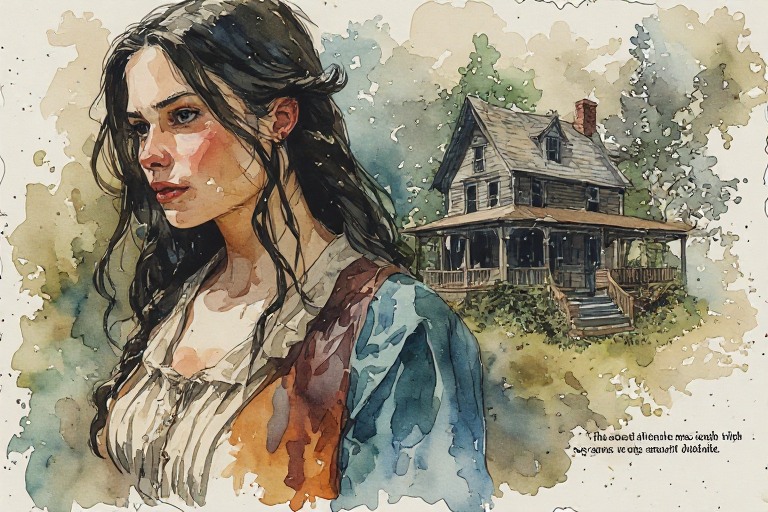
05. Open Tuning
Looking back at old lovers and asking whether she lost herself chasing being desired, was she seduced by a fantasy, or complicit in building one.
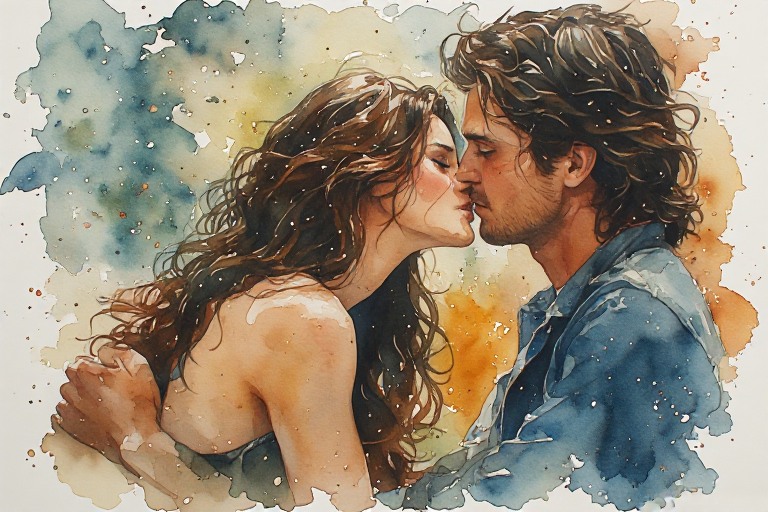
06. Softness in the Grass
The pivot. Her child’s artless commentary on her body and identity, comic and quietly devastating, cracks something open she hasn’t looked at directly.
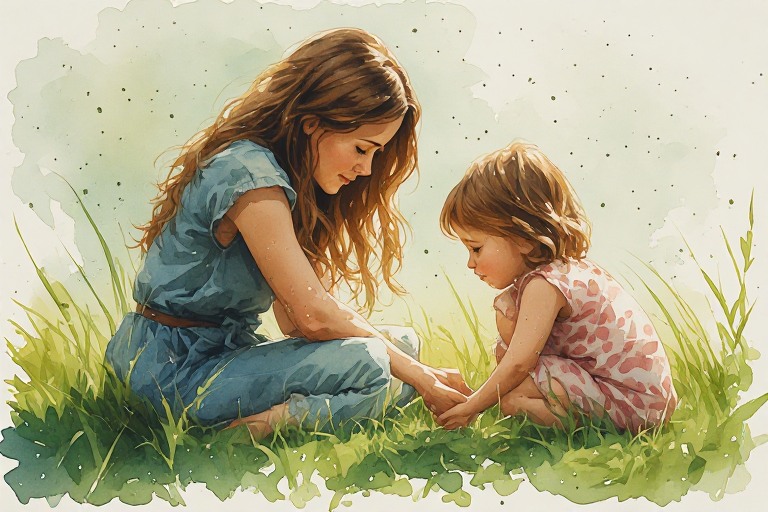
07. Red Velvet and Cool Linen
The domestic and the wild self sharing one body, nursing a sick child through the night, being called “Mummy,” writing openly about desire and a past in sex work, no longer kept in separate rooms.
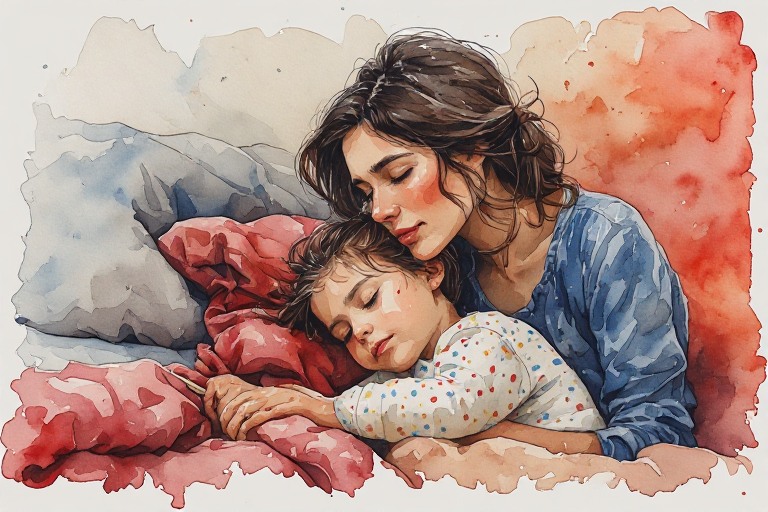
08. Satin and Salt
Wanting to be touched, wanting to feel beautiful, and the gap between what the body promises and what it’s actually delivered.

09. Cedar and Salt
What a body is worth, literally, interrogating whether being paid for time and company can still hold real connection, and where the line blurs between bought and freely given.

10. The Dinner Trade
The cost of honesty made concrete, a parent discovers the writing, a sibling is shielded from association with it. Confession stops being abstract.
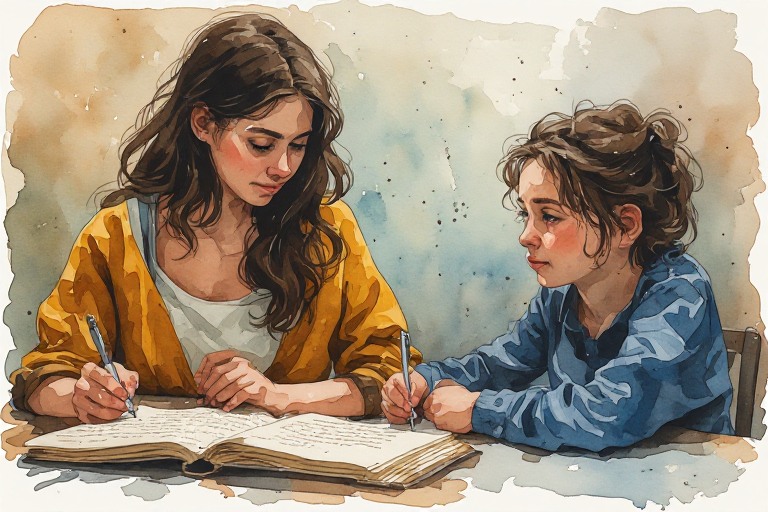
11. Sudden Frost
The turn, she chooses confession as liberation rather than exhibitionism. “I write because I don’t care if you hate me for it.”

12. Salt and Linen
The people who hold steady while the wider world gossips, what makes the turn survivable.
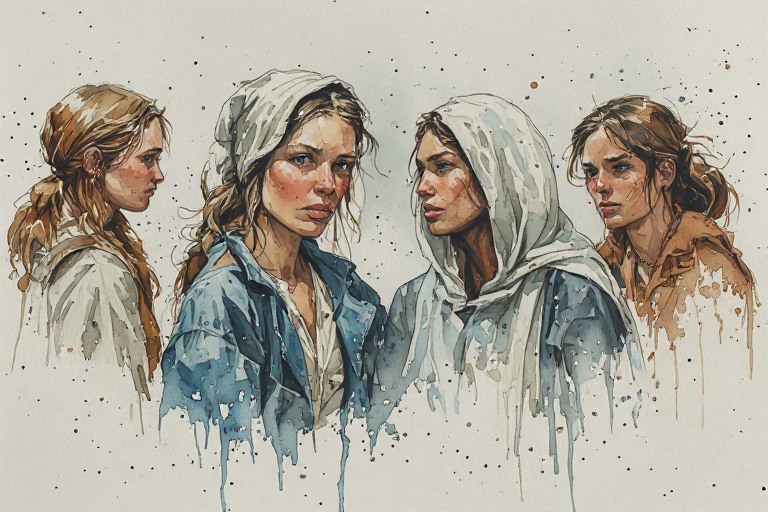
13. Silver and Flame
She refuses the idea that female sexuality expires with age or motherhood. Desire as identity, worn without apology.

14. The Frost Boundary
The discipline itself, now active and lived, honesty chosen daily against a lifetime of pleasing others.

15. Cedar and Salt
Loss of a parent, the passage of time, nostalgia for old places and friends, braided into the erotic material rather than separated from it.

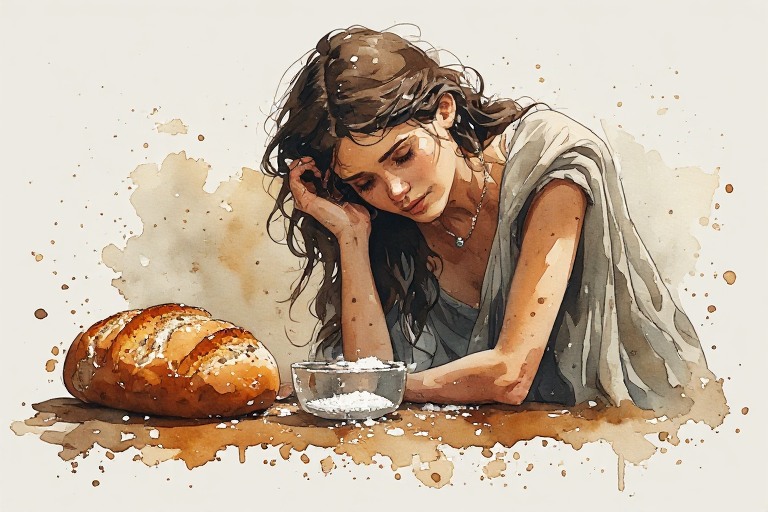
16. Bread and Salt
Wisdom, not resolution, a rejection of tidy slogans on either side of the sexual-morality debate in favor of sitting with contradiction.
17. Unperformed (Reprise)
Epilogue, same music as the opener. She sings of the life ahead, authentic, on her own terms, performance finally set down.

Narrative Adaptation
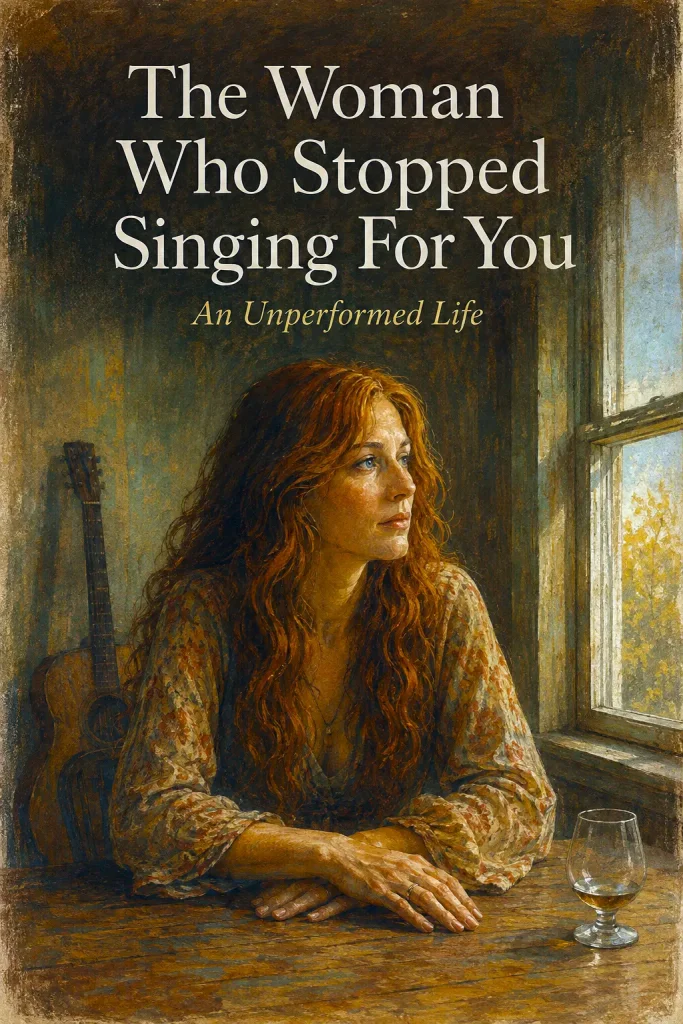
The Woman Who Stopped Singing For You
An Unperformed Life, One Folk Singer’s Reckoning With Desire, Motherhood, and the Truth She Almost Didn’t Tell
There is a particular kind of silence that falls over a room after the last chord of a song no one asked you to play. I have lived inside that silence for most of my adult life, and I am going to tell you what it cost me, and what it gave back.
My name doesn’t matter yet. It will, by the end. For now, call me what the village called me, that woman. Said with a curl of the lip. Said like it settled something.
I want to begin at the end, because that’s where the truth lives, and truth is the only thing I have left to trade. Picture a kitchen. Late morning light through a window that needs washing. A woman, me, though I hardly recognize her, sitting with her hands flat on the table, not performing anything for anyone. Not for a husband. Not for a lover. Not for a child, a neighbor, a God she stopped believing would judge her the way the village did. Just breathing. Just being looked at by no one and, for once, not minding. I did not arrive here gently. Nobody does. This is a story about the years it took to stop singing a song written for other people’s ears, and start singing the one that was always mine.
The performance had a soundtrack, and for a long time that soundtrack was ice against glass. I drank the way you might learn a language you don’t want to speak fluently, enough to get by, enough to blur the edges of a life I had built for an audience of husbands, neighbors, my own mother’s expectations, and a version of myself I’d invented to be more palatable. Wine at four. Wine at six. The particular mercy of a Tuesday evening when no one was watching closely enough to count the glasses. But alcohol is a thief with terrible aim. I wanted it to steal the ache. Instead it stole my hands off the wheel of my own life and left the ache exactly where it was, now unreachable, now unfixable, because I was too dulled to do the work of fixing anything.
There is a mirror in the hallway of the house I grew up thinking I’d escape. One night, I won’t dress it up as more dramatic than it was, no shattering glass, no collapse onto tile, I simply stood in front of it, glass in hand, and looked. Really looked. The eyes looking back were not unkind, but they were tired of me. Tired of the performance. And something in that tiredness cracked me open more effectively than any rock bottom ever could have. That was the first honest moment of my life. It did not fix anything. It only told me, quietly, that everything after this would have to be different, or I would keep living inside a song I’d never chosen to write.
To understand why I built a stage out of my own life, you have to go back before the drinking, before the men, before I had a body anyone had opinions about. I was the odd one. The girl at the edge of the school photograph, half-turned toward something outside the frame. Children have a genius for detecting difference, and mine was detected early, a restlessness, a way of watching instead of joining, that read to them as strangeness and read to me, eventually, as freedom. Loneliness taught me to observe. I noticed things other children didn’t, the way adults’ faces changed shape when they lied, the particular hush that fell over a room when a marriage was failing in it. I did not fit into the smallness of the village, and some nights that smallness felt like a coat two sizes too tight, and some nights I wanted more world than the one I’d been handed, more rooms, more roads, more selves to try on. That wanting never left me. It only went underground for twenty years, waiting.
Small places have long memories and short mercy. By the time I was grown, the village had already written its verdict, I was a woman who “came across as very sexual”, as though sexuality were a stain rather than a fact of being alive, as though my body’s plain existence were an act of aggression against the tidy arrangement everyone else had made with their own desires. They talked. Of course they talked. In the shop queue, over garden fences, in the particular tone reserved for women whose crime is being looked at. I learned, in those years, the exhausting mathematics of being watched, how to fold myself smaller in public and let the wildness out only in private, how to be one woman at the school gate and an entirely different one behind a closed door. That split, the surveilled self and the private self, became the architecture of my whole adult life. I built a house with two very different rooms, and I spent decades making sure the doors between them stayed locked.
There were men. I won’t inventory them, because they were never really the point, I was. Each time I loved someone, I noticed, faintly, then more insistently, that I was disappearing a little into the shape they wanted me to be. Softer here. Quieter there. Available in the specific configuration that kept them close. I used to ask myself, lying awake beside one sleeping back after another, was I seduced by a fantasy, or did I build the fantasy myself and then walk gladly into it? I still don’t have a clean answer. Maybe both things are true at once, that a woman can be complicit in her own erasure and still be genuinely wronged by the world that taught her erasure was the price of being loved. I stopped needing the answer to be simple. That, too, was a kind of growing up.
The real turn, the one the drinking and the mirror only rehearsed, came from someone four feet tall who had no idea what he was doing. My son, maybe six, watching me dress, said something artless and devastating about my body, the kind of unfiltered observation only a child can make, landing somewhere between comedy and confession. I laughed. And then, alone in the bathroom afterward, I did not laugh. Because he had said, without any cruelty at all, the truest thing anyone had said to me in a decade, he saw me. Not the performed woman. Not the village’s verdict. Just a body, a mother, a person, observed plainly and without judgment. Children are unwitting mirrors. They reflect you back with none of the editing adults do out of politeness or fear. My son’s small, funny sentence did more to begin my unraveling than any of the men, any of the wine, any of the village gossip ever managed. He simply saw me, and something in me finally wanted to be seen that clearly by myself, too.
That same winter, I sat up three nights running with a fevered child pressed against my chest, his small damp head under my chin, calling me Mummy in the particular broken voice of sickness, and in the same stretch of days I was, in the private room of myself, writing pages about desire, about a past I’d never told anyone, about a season of my life when my body had been for sale and I had not hated it the way I was supposed to. These two women were not supposed to share a body. The village certainly didn’t think so. But there I was, nursing a child through fever at three in the morning, and by daylight, writing sentences that would have scandalized the school gate. I stopped trying to reconcile them into one acceptable woman. I let them live in the same skin, uneasily, honestly. That discomfort turned out to be closer to the truth than any tidy resolution would have been.
I wanted, for so long, simply to be touched. To be found beautiful by hands that meant it. That wanting was never shameful to me, not really, whatever the village said. What disappointed me wasn’t desire, it was discovering, again and again, that a nice body, a wanted body, doesn’t purchase safety. It doesn’t purchase being chosen for longer than a season. I had been told, implicitly, my whole life, that if I got the body right, the love would follow as a matter of course. It didn’t. The gap between what my body promised the world and what the world actually gave back in return became one of the great, quiet griefs of my twenties and thirties. I stopped blaming the body. I started asking better questions about the trade.
I have not hidden, in this telling, that there was a season when I was paid, for time, for company, for the specific attention men will pay for when they can’t or won’t ask for it freely. I am not interested in either the shame or the swagger some people want that story to carry. I’m interested in the honest, complicated middle, that money changed hands, and that some of those encounters still held real warmth in them, real seeing, real conversation between two lonely people, alongside the transaction. Commerce and connection sat in the same room more often than anyone wants to admit. I stopped needing that truth to be simple, too.
Every act of truth-telling has a cost, and mine arrived on an ordinary afternoon when my mother, tidying a drawer she had no business tidying, found the pages. I won’t describe the argument. Some things belong only to the people who lived them. I will tell you that I spent the following months shielding my younger sibling from being associated, in the village’s eyes, with what I’d written, protecting someone else from a fallout I had chosen and they hadn’t. That is the true price of confession, it never stays contained to the confessor. It ripples outward into the people who share your last name, your street, your blood. I did not take the pages back. I want to be honest about that. It frightened me and cost me and I did not take them back.
Here is the freedom nobody warns you about, the moment you decide you would rather be hated for the truth than loved for a performance, something in your chest unlocks that cannot be relocked. I wrote because I no longer needed the village’s permission to exist as I actually was. Confession, I came to understand, was not exhibitionism, it was survival. It was the only exit I could find from a lifetime of shrinking myself into a shape other people found comfortable. I stopped writing for an audience. I started writing to stay alive in the truest sense of that phrase.
I did not do this alone, however solitary the writing felt. There were women, two, three, the number doesn’t matter, who did not flinch when the gossip reached them. Who sat across kitchen tables from me while the village whispered and simply said, tell me more, instead of how could you. Their steadiness became the ballast that kept me upright through the worst of it. Female friendship, in this story, is not a subplot. It is the load-bearing wall. Without it, the rest of this collapses.
Somewhere in my forties, past motherhood, past the age the world quietly decides a woman’s wanting becomes embarrassing rather than beautiful, I made a decision that felt smaller in the moment than it turned out to be, I refused to agree that my desire had expired. Nobody handed me this. I built it, deliberately, out of spite and grief and stubbornness in roughly equal parts. Desire, I decided, was not a young woman’s currency to be spent down over decades until nothing remained. It was identity. It did not require youth’s permission to exist, and it did not require an apology for outliving it.
What I have now is not a triumphant, finished self, I want to correct that expectation before it forms. What I have is a daily discipline, practiced imperfectly, to tell the truth in bed and on the page, even when a lie would be easier, even when performance is the well-worn groove my whole life trained me to fall into. Some days I fail at it. Some days the old performed woman puts her hand back on the wheel out of habit. But the discipline itself, the choosing, again and again, is the actual victory. Not arrival. Practice.
In the middle of all this reckoning, my father died. I will not linger on it, except to say that grief has a way of braiding itself into everything else a person is carrying, the erotic material, the shame, the reclaiming, until you cannot separate the strands. Losing him did not interrupt this story. It ran alongside it, the whole time, a quiet second voice under the melody, everything is temporary, so tell the truth now. Old friends, old towns, the particular grief of a life moving on without asking permission, all of it belongs here too, not separate from desire and reckoning, but woven through it, the way memory always is.
I could end this story with a tidy moral. The village would like that. So, frankly, would some of the people who’ve cheered me on from the opposite direction, waving a different flag. I refuse both. I will not tell you sex work is simply liberation, and I will not tell you it is simply damage. I will not tell you desire past a certain age is either triumphant reclamation or undignified clinging. I have lived enough of this to know that the truth sits stubbornly in the contradiction, refusing to resolve into a slogan anyone could put on a banner. That refusal, to simplify myself for anyone’s comfort, mine included, is the closest thing to wisdom I’ve earned.
So we return to where we began, the kitchen, the unwashed window, the light falling across a table where my hands finally rest still. I am not performing for you now, either, whoever you are, reading or listening to this. I stopped needing you to approve of the body, the mother, the once-paid companion, the drinker who got sober enough to look in a mirror, the daughter whose pages broke her own mother’s heart a little. All of her is still here. None of her was ever unforgivable, she just needed, finally, to stop asking forgiveness from a village that was never going to give it freely.
What comes next, I don’t fully know yet. That’s the truest ending I can offer you, not a resolution, but a woman, finally living out loud, on her own terms, with no orchestra cued up to tell her when the song should end. I am done performing. I have only just begun living.