AI Process/Open Source Software: HUMAN, Google Flow Music, Claude.ai, ChatGPT, Meta.ai, Perchance.org – DAW: Audacity 4 (alpha), OS: Linux (Ubuntu 26.04)
Stream/Download Free Full Mix MP3:
“It’s not the notes you play. It’s the notes you don’t play.”
– Miles Davis (1959)
Today, Miles Davis would have been 100 years old. It is an astonishing milestone that forces us to reckon with a simple truth, that we are still living in the sonic universe he constructed. Miles was not merely a jazz musician. He was a seismic force who altered the trajectory of modern music multiple times over. From the cool restraint of birth-of-the-cool arrangements to the expansive, suspended landscapes of Kind of Blue, and later into the raw, urgent electric collisions of Bitches Brew, Miles never looked back. He didn’t just change the notes being played. He changed how humanity perceives time, tension, and sound.
To adore Miles, to still be captivated by him a century after his birth, is to love the courage of deliberate omission. In a world increasingly crowded with noise, over-production, and predictable digital quantization, Miles remains the ultimate master of restraint. He famously challenged his musicians not to play what was there, but to look for what wasn’t there. He played the spaces between the notes. He weaponized silence. His trumpet didn’t shout but it whispered, sighed, and hesitated, capturing the complex vulnerability of the human condition with painfully beautiful intimacy.
As you prepare to listen to Kind Of Miles: Bated Breath and Blue, it is helpful to understand the architectural philosophy behind this tribute. In 1959, Miles and his septet walked into Columbia’s 30th Street Studio and abandoned the frantic, complex chord changes of bebop. Instead, they embraced modal jazz, improvising over a single scale or mood for minutes at a time. It forced the music to slow down, to breathe, and to inhabit a state of profound stillness.
I approached this project with that exact centenary spirit, pairing the historical logic of modal jazz with my direction using modern generative tools to carve a facsimile. As you press play, or download the free mix MP3, listen closely to the deliberate hesitation of the virtual trumpet, the soft scrape of the wire brushes, and the heavy analog tape hiss. Do not rush through these tracks. Let the tempo pull you down into a slower cadence. Listen to the silence, notice the room, and feel the active, living space left entirely empty, just as Miles taught us.
“Kind Of Miles” anchors our sonic lineage. It explicitly references Kind of Blue, signaling a commitment to modal exploration over complex, frantic chord progressions. It allows a single mood, a solitary scale, to hang suspended in mid-air.
“Bated Breath and Blue” addresses the exact mechanism of our generative execution. In vocalizing and texturing the arrangements through GenAI and Open Source tools, “bated” represents the literal moderation and holding back of sound. It frames silence not as an absence of data, but as active, living breath. By instructing the AI to prioritize the spaces between the notes, the “breath” becomes a tangible, physical instrument, while the “blue” dictates the harmonic color, emotional weight, and unhurried pacing of the work.
This is the machine learning the art of hesitation, where what is left unplayed carries the entire weight of the performance.
Acoustic modal jazz ballad, slow unhurried BPM, rooted in the Dorian mode. A solitary, close-mic’d trumpet with a harmon mute plays a spacious, improvisational melody, full of breathy texture and long spaces between notes. In the background, a warm, resonant double bass walks a minimal, sparse line, accompanied by a soft acoustic piano comping with open, modal chords. A jazz drummer plays a delicate, whisper-quiet rhythm using wire brushes on a crisp snare drum and a sizzling ride cymbal. Cavernous, dark studio room acoustics with natural tape warmth, high dynamic range, leaving massive room for silence.
This prompt is specifically engineered to exploit the way GenAI now handles acoustic modeling, shifting it away from a modern, quantized MIDI feel toward a fluid, historical human performance.
Here is a concise breakdown of why and how it was structured:
Stream/Download Free MP3s
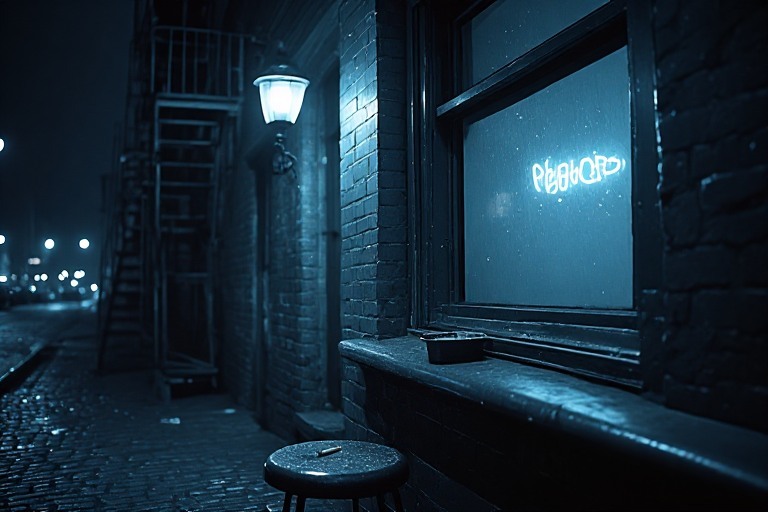
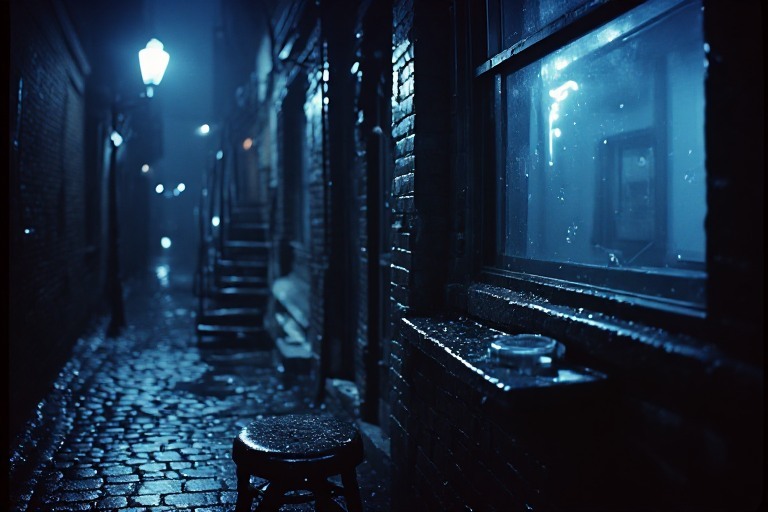
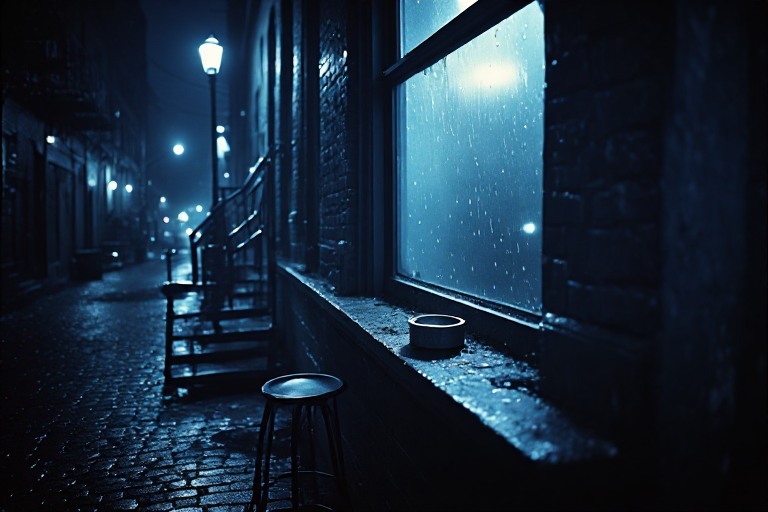
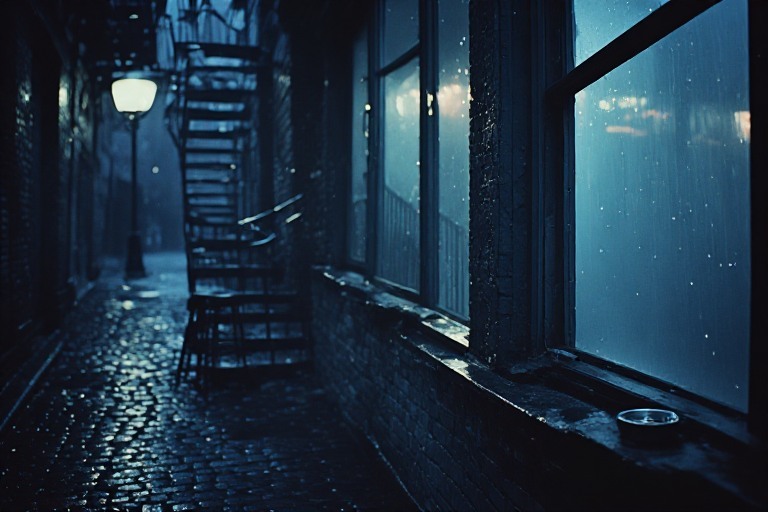
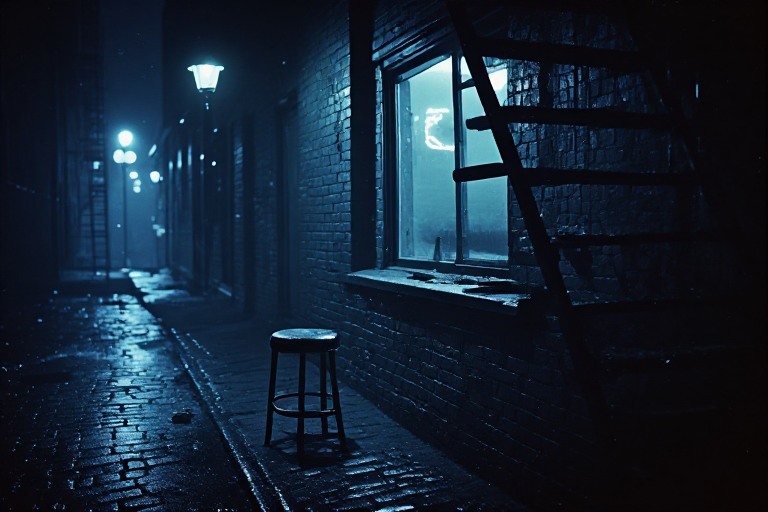
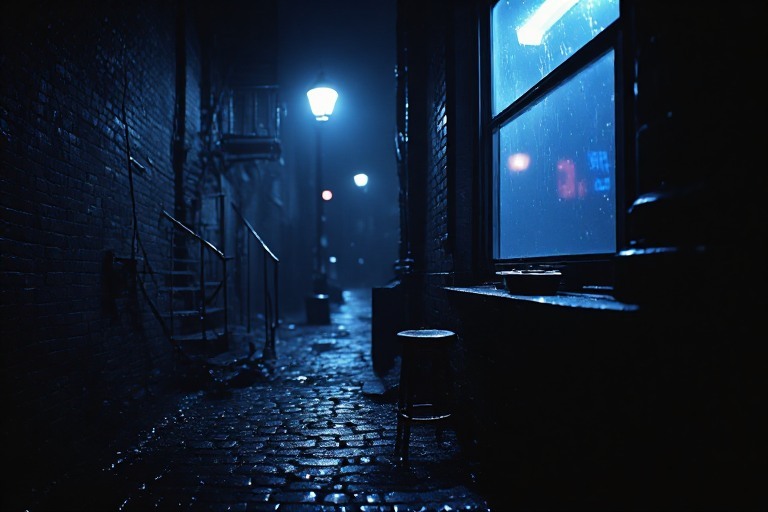
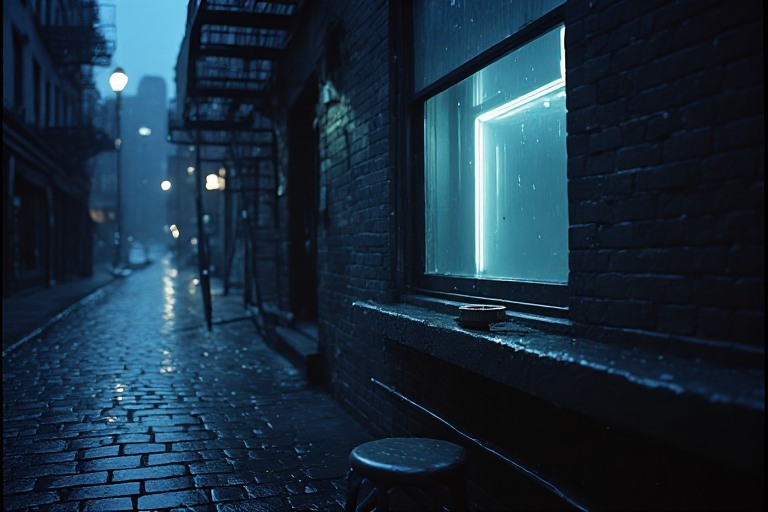
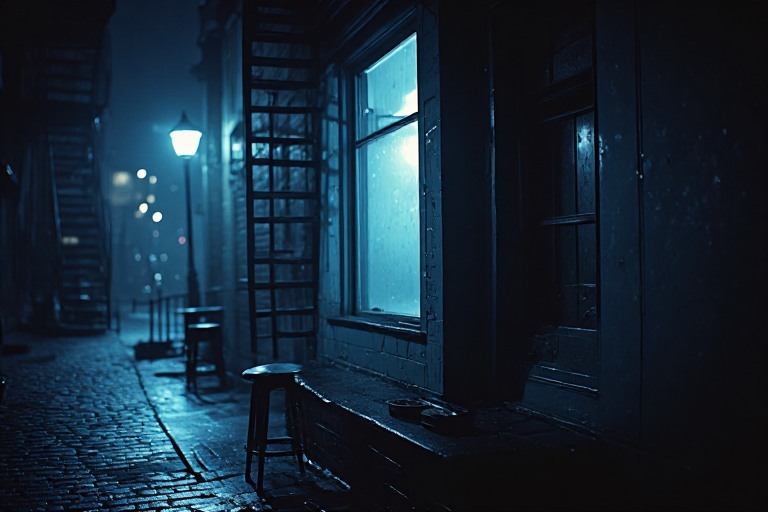
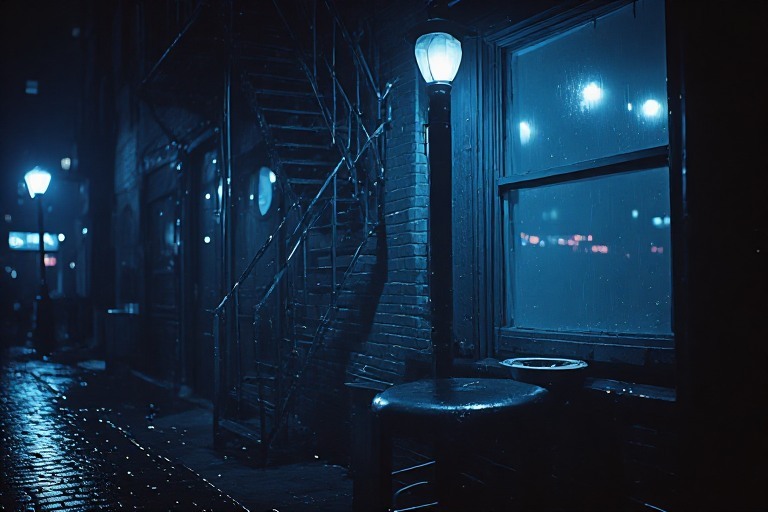
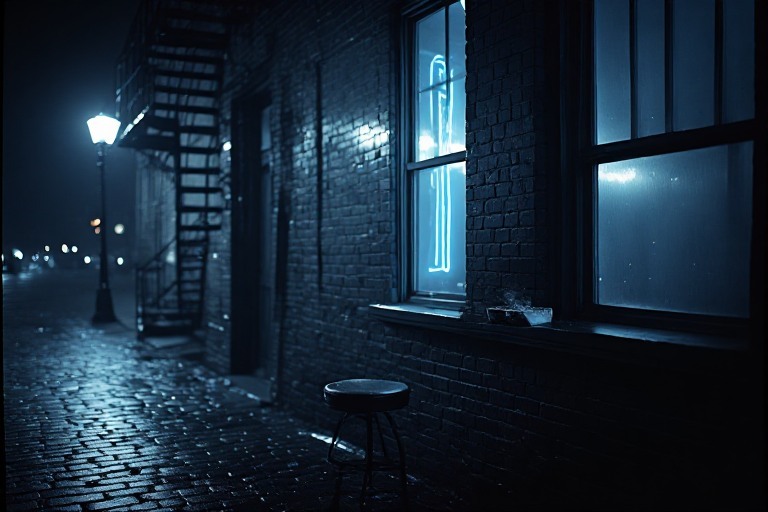
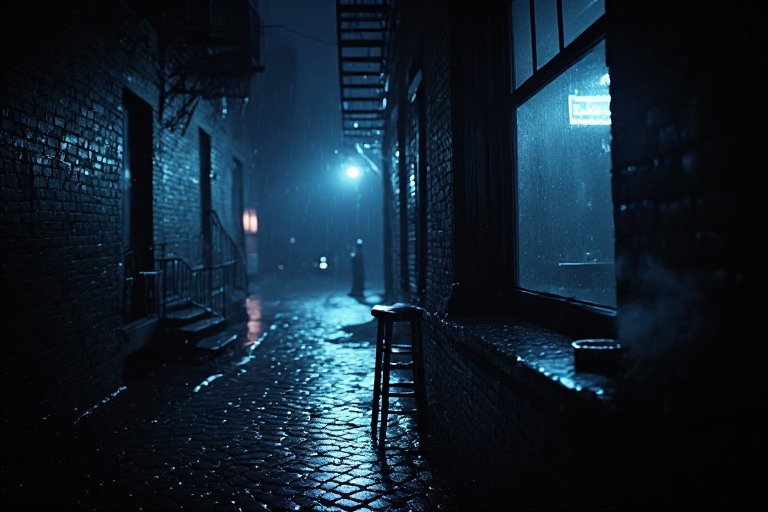
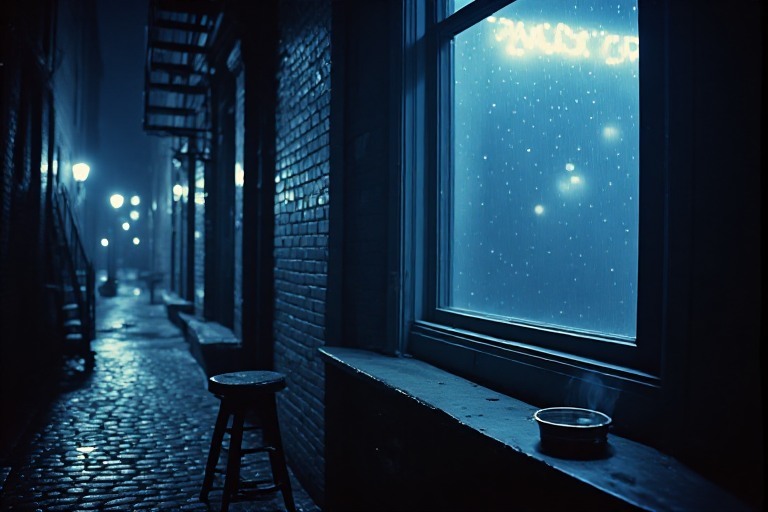
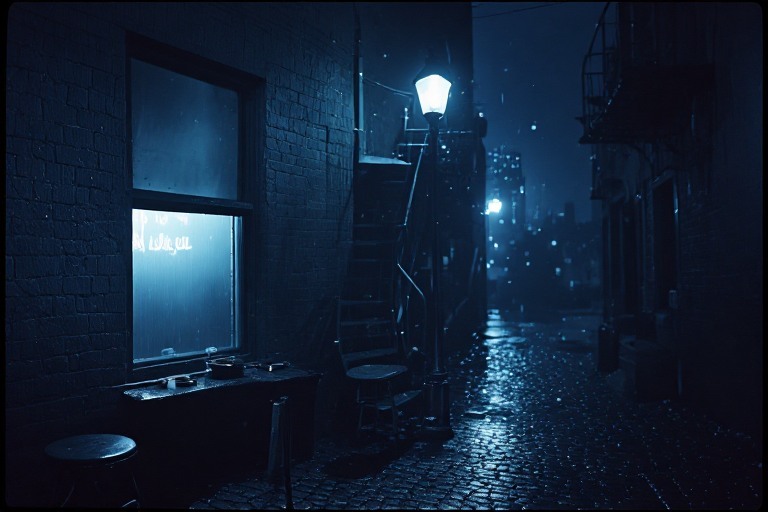
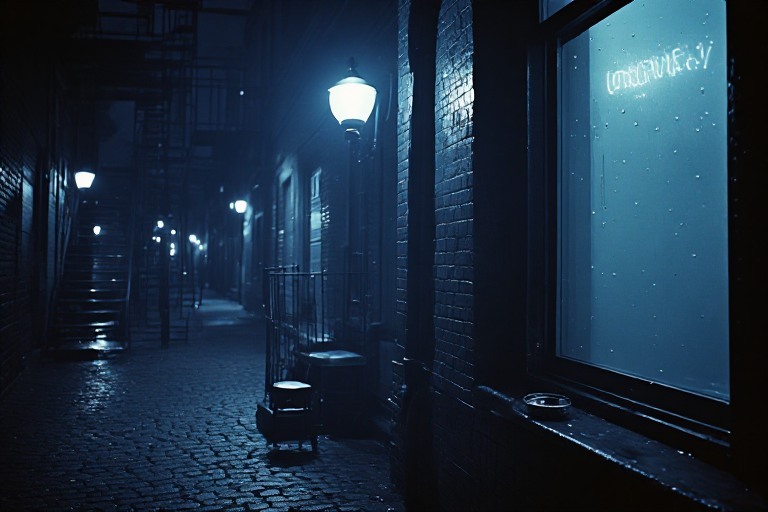
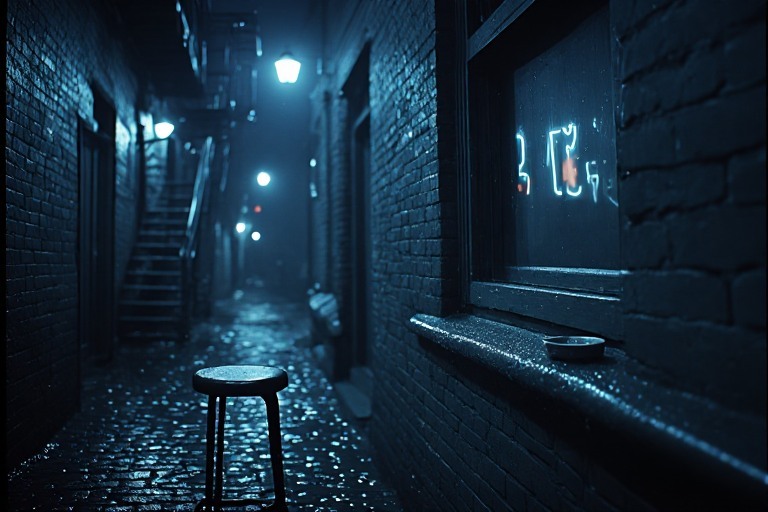
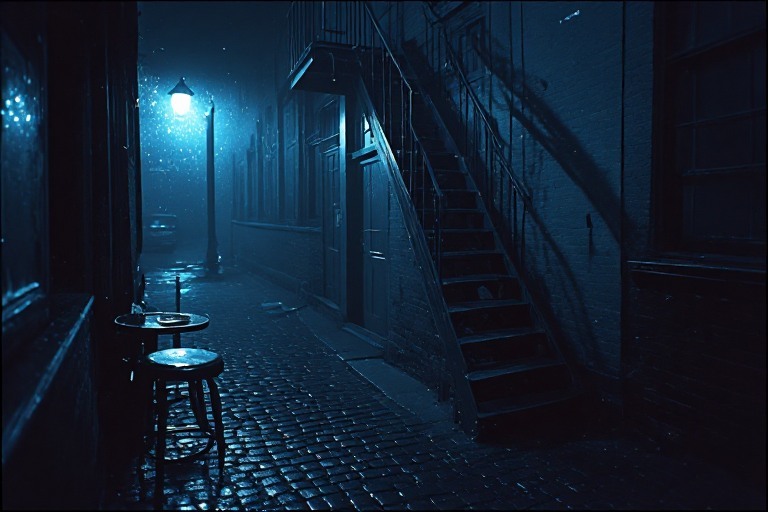
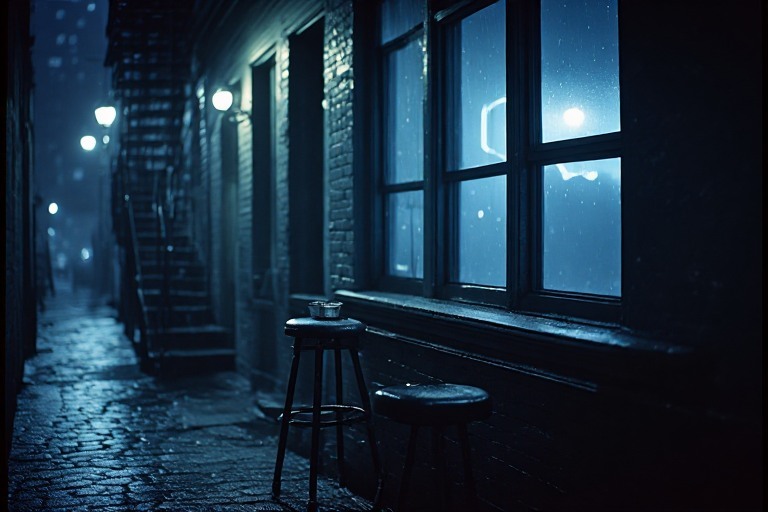
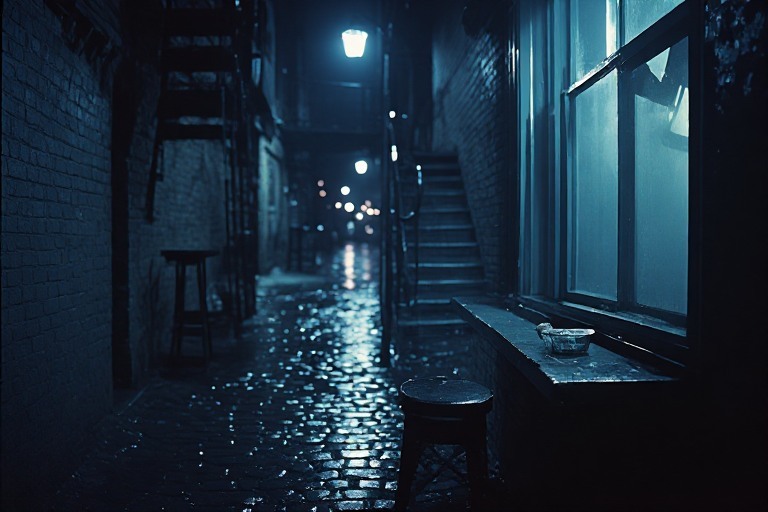
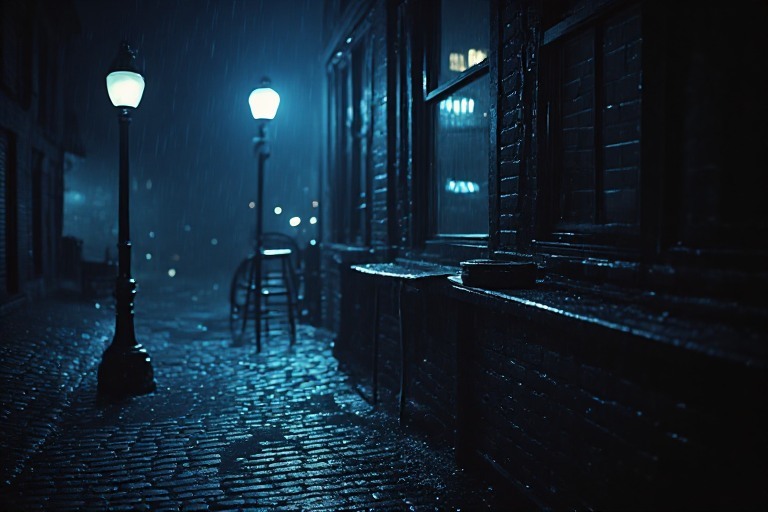
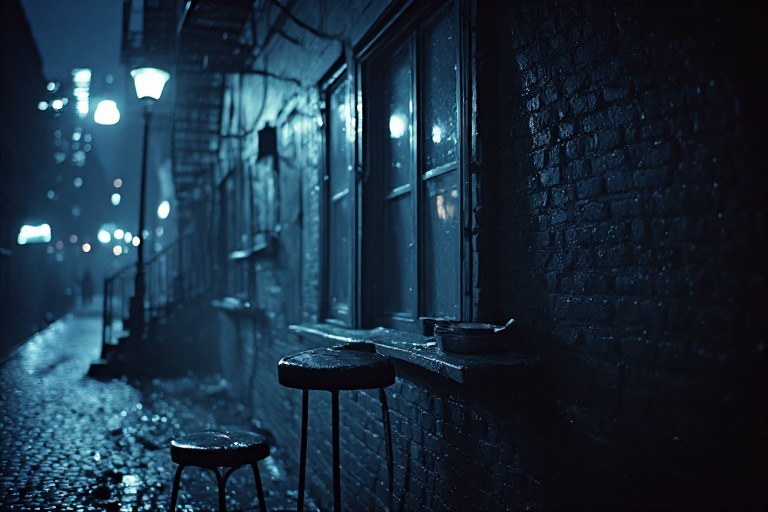
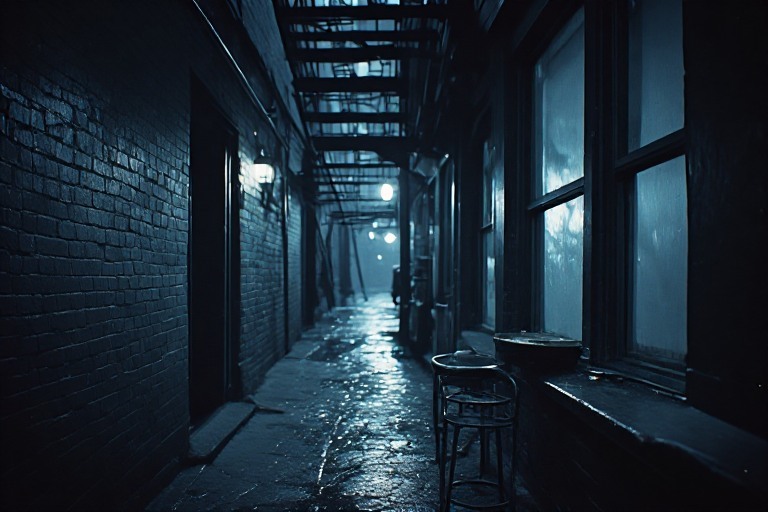
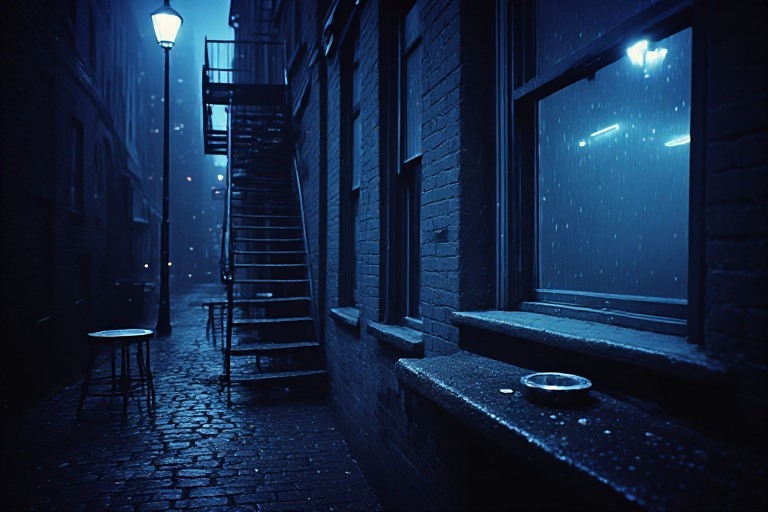
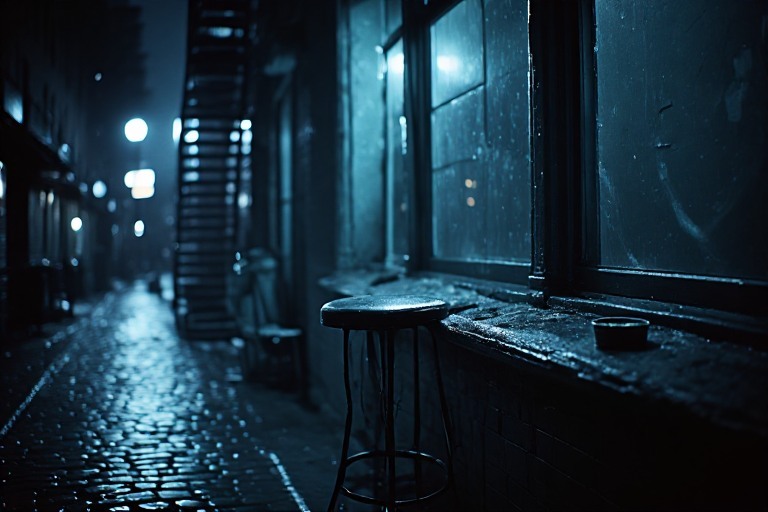
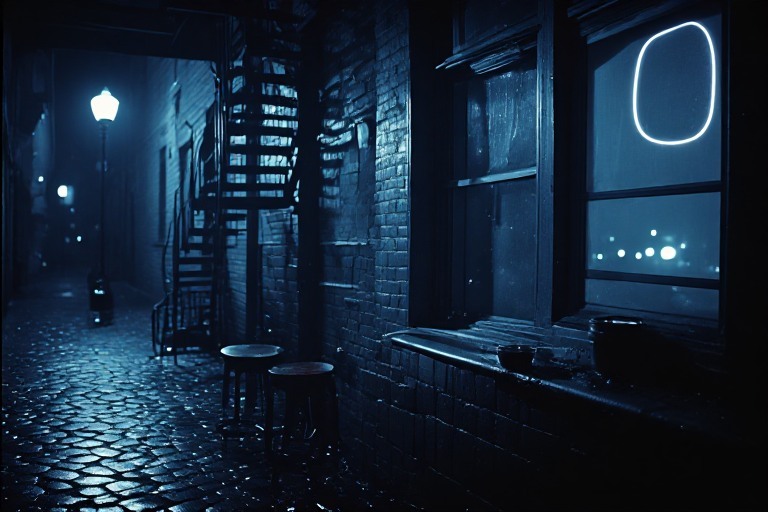
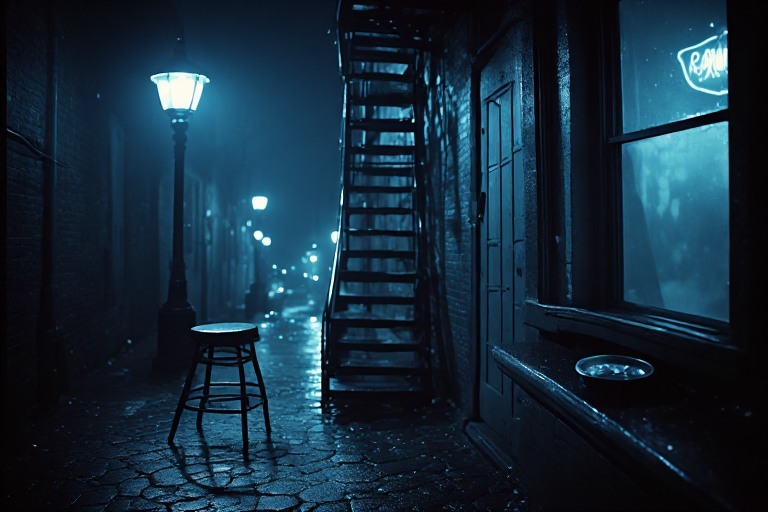
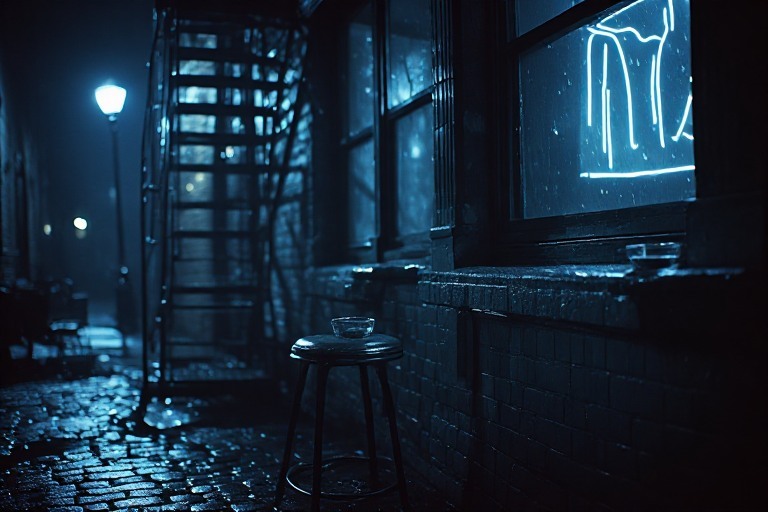
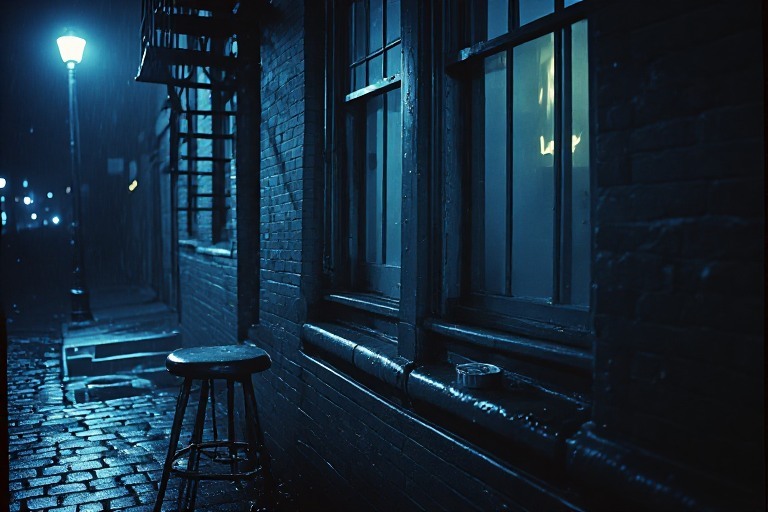
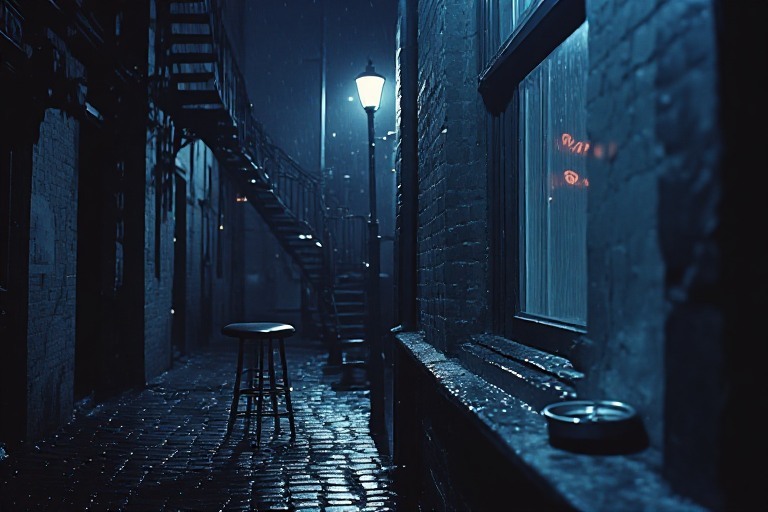
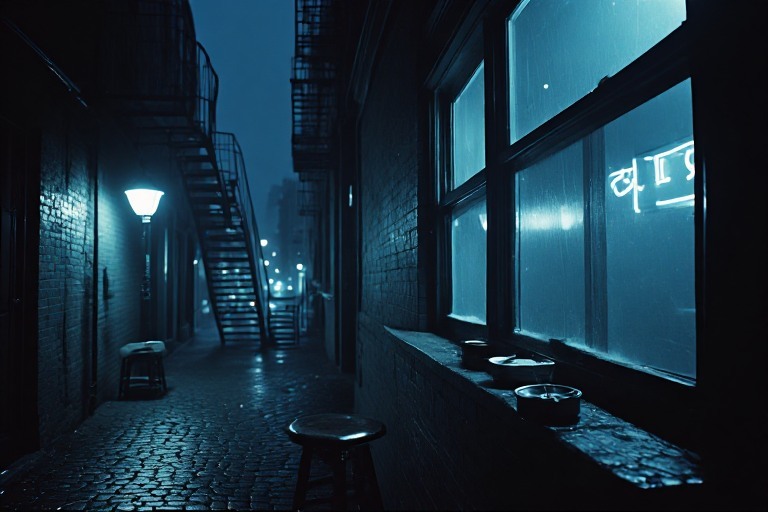
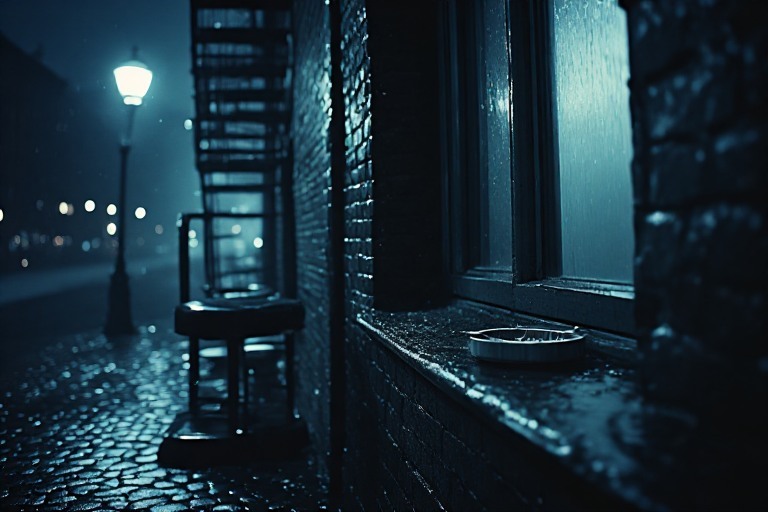
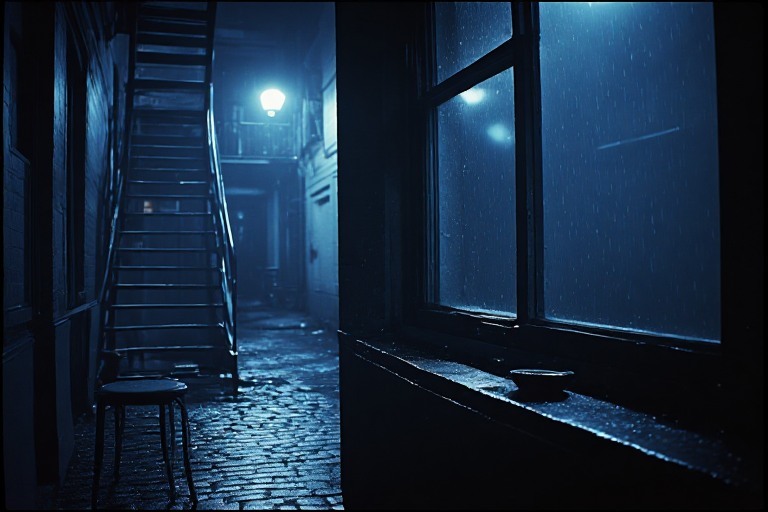
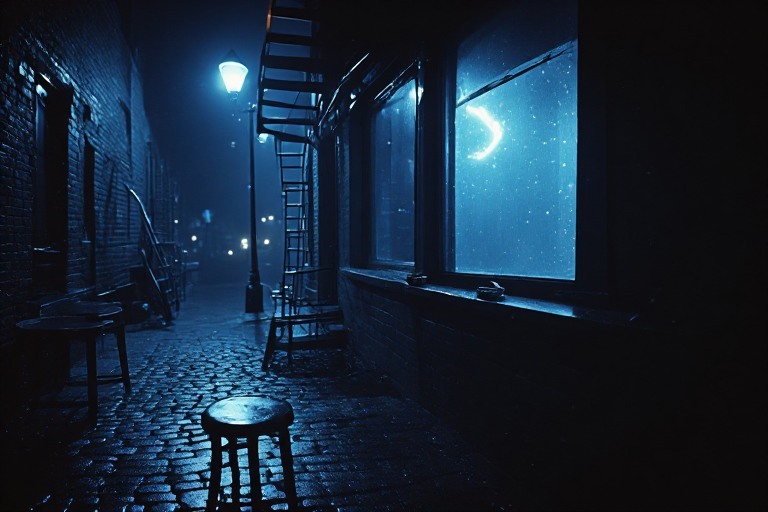
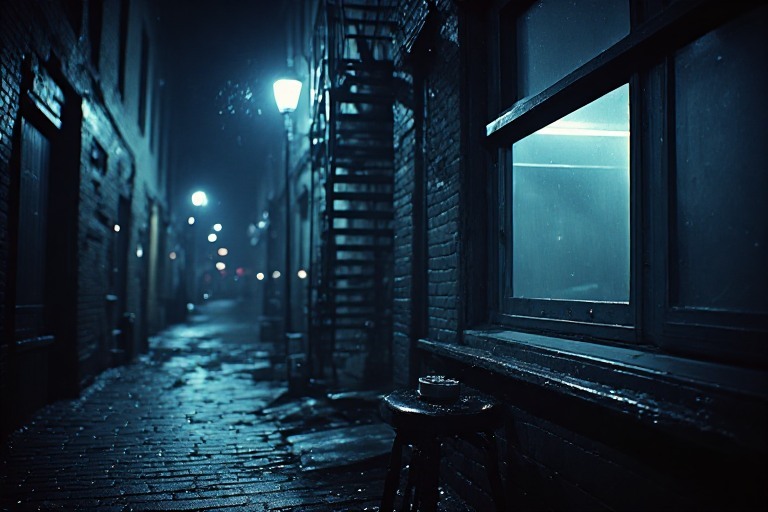
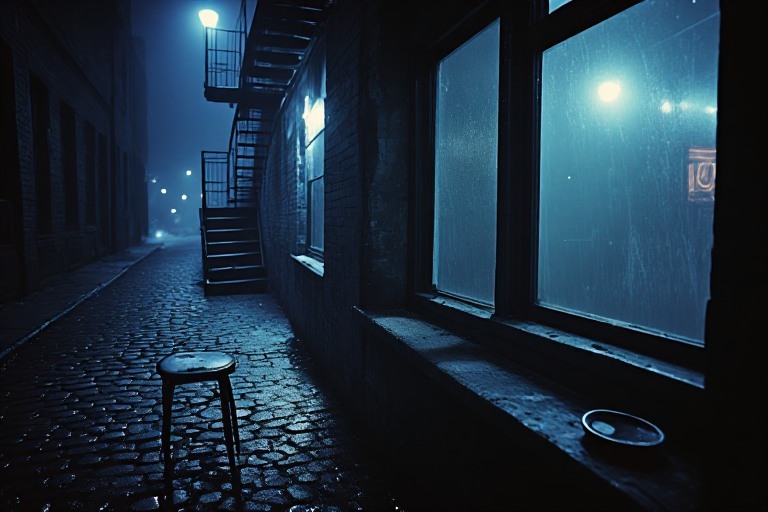
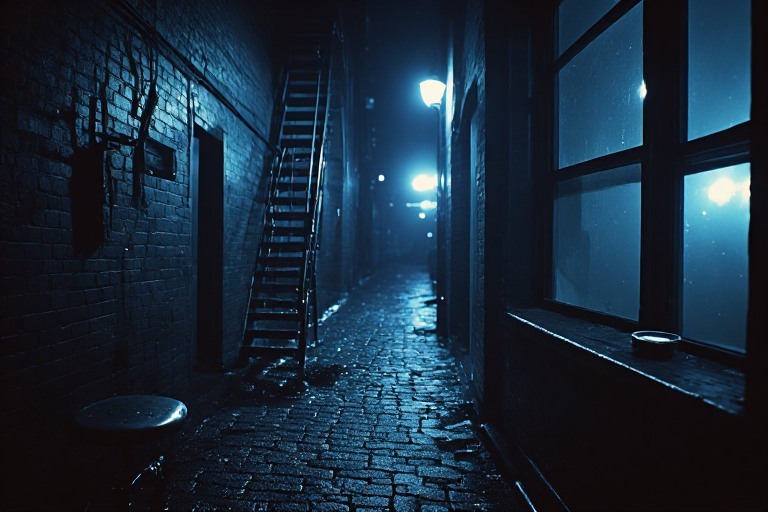
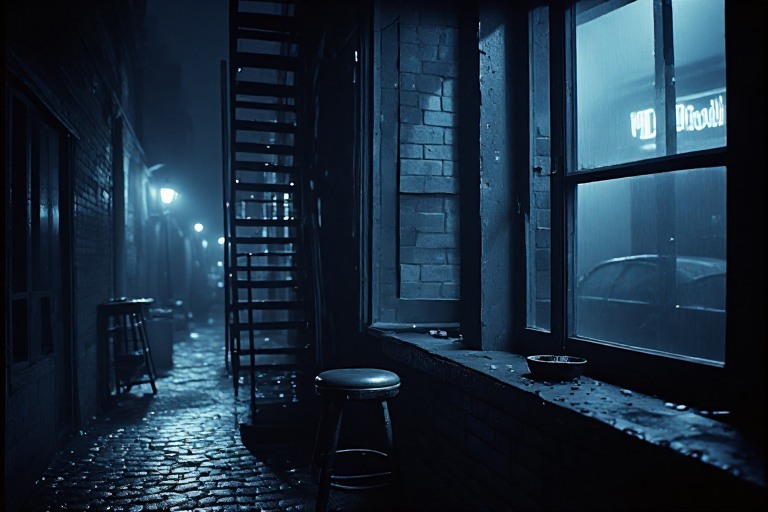
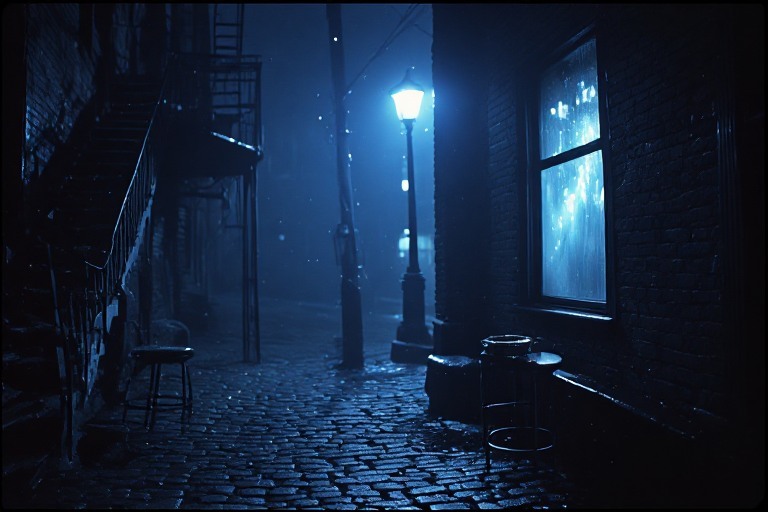
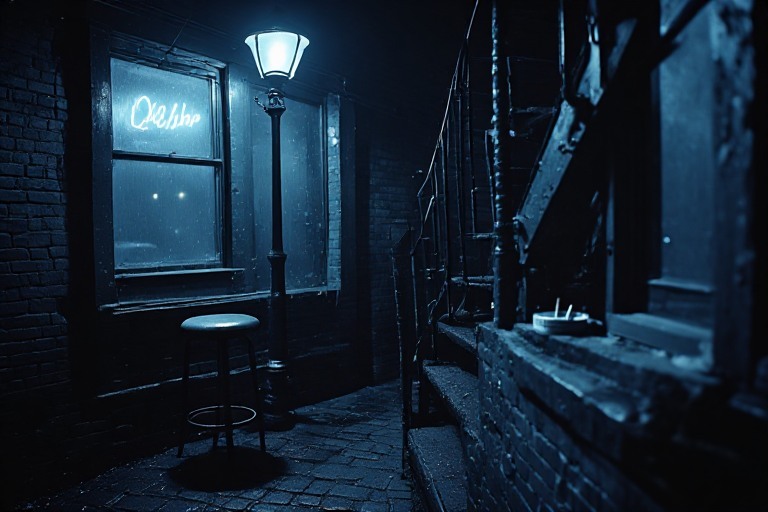
Text to Image Prompt: Minimalist fine art photograph, deep indigo and prussian blue palette, late night urban environment, no people, no text, no symbols. A single weathered object or architectural detail, wet cobblestone alley, iron fire escape, empty barstool, open window with rain-blurred neon reflection, an ashtray on a ledge, lit by one cold tungsten streetlamp casting long blue shadows. Heavy analog film grain, slight vignette, shallow depth of field. The mood is suspended tension, the silence between jazz notes, 3 a.m. and still. Aspect ratio 1:1. Style: vintage Columbia Records era photography, 1959 New York City.
Noa Unravi (The Unturned Face) is a free psychedelic indie folk concept album sung in…
The Drum Remembers is a free, six-track instrumental EP released for Indigenous Peoples’ Day 2026,…
Dirt & Diesel is a free 21-track country rap album where backroad storytelling collides with…
The Body Leaves A Color is a free, nine-track ambient neo-soul and bedroom R&B album…
The Forest Remembers is a free 69-minute instrumental album of Baltic ritual electronica. A haunting…
Resonance & Squelch is 283 tracks and 13 hours 39 minutes of hypnotic, instrumental acid…