Designing Inner & Outer Frequencies – An AudAI™ Soundscape
دوباره میسازمت وطن، اگرچه با خشت جان خویش
ستون به سقف تو میزنم، اگرچه با استخوان خویش
دوباره میبویم از تو گل، به میل نسل جوان تو
دوباره میشویم از تو خون، به سیل اشک روان خویش
— سیمین بهبهانی، «دوباره میسازمت وطن» (۱۳۶۱ / ۱۹۸۲)
AI Process/Open Source Software: HUMAN, Google Flow Music (Lyria 3.5), Claude.ai, ChatGPT, Perchance.org – DAW: Audacity 4 (alpha), OS: Linux (Ubuntu 26.04)
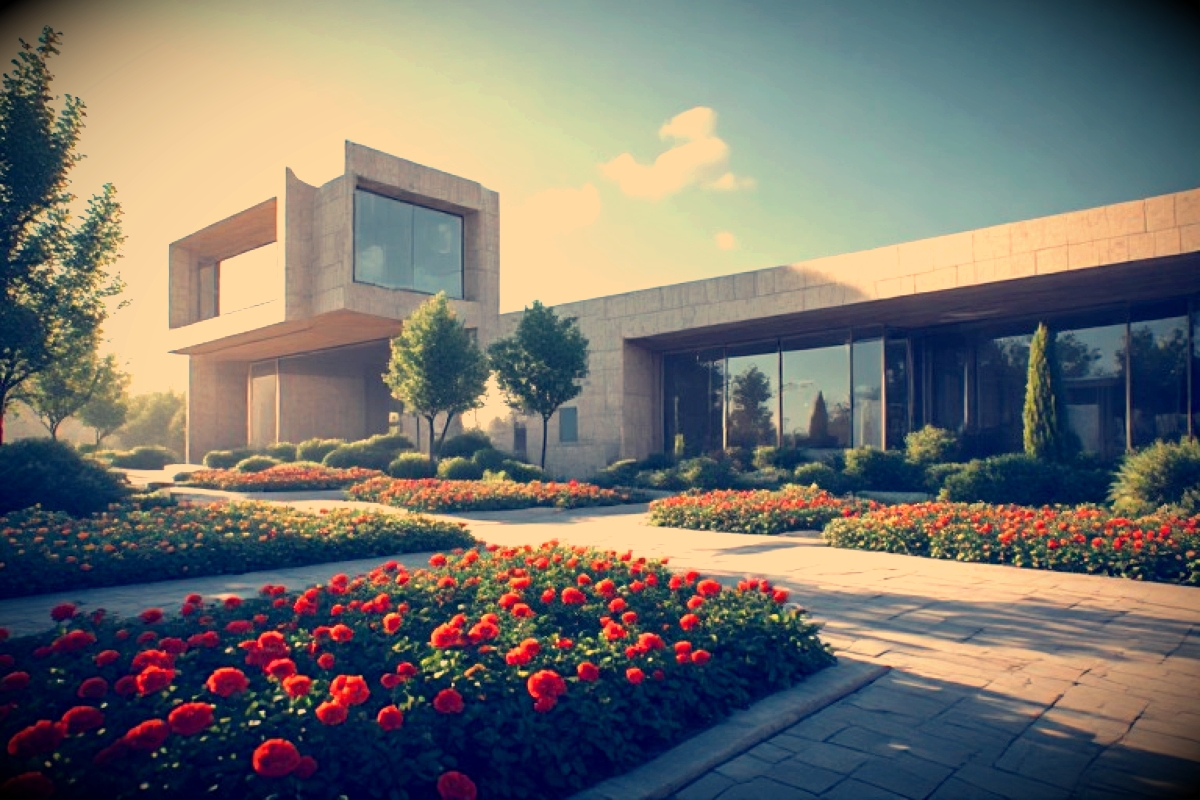
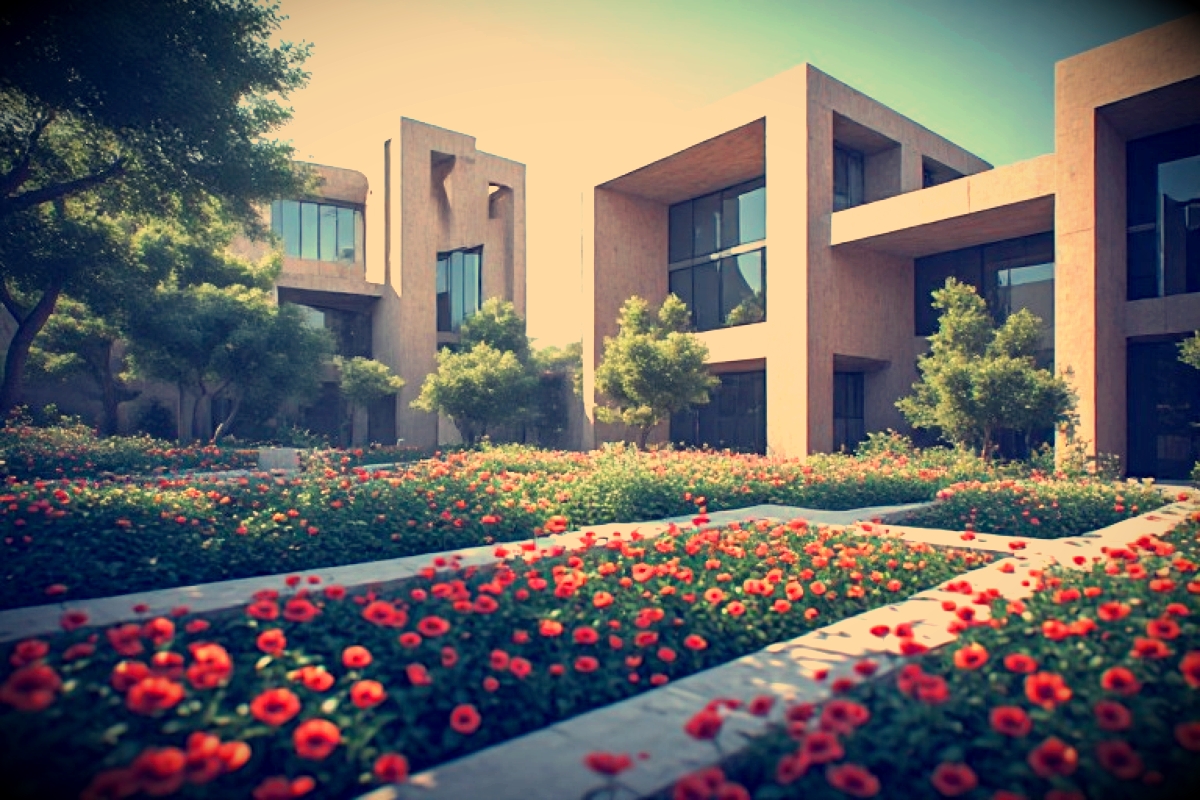
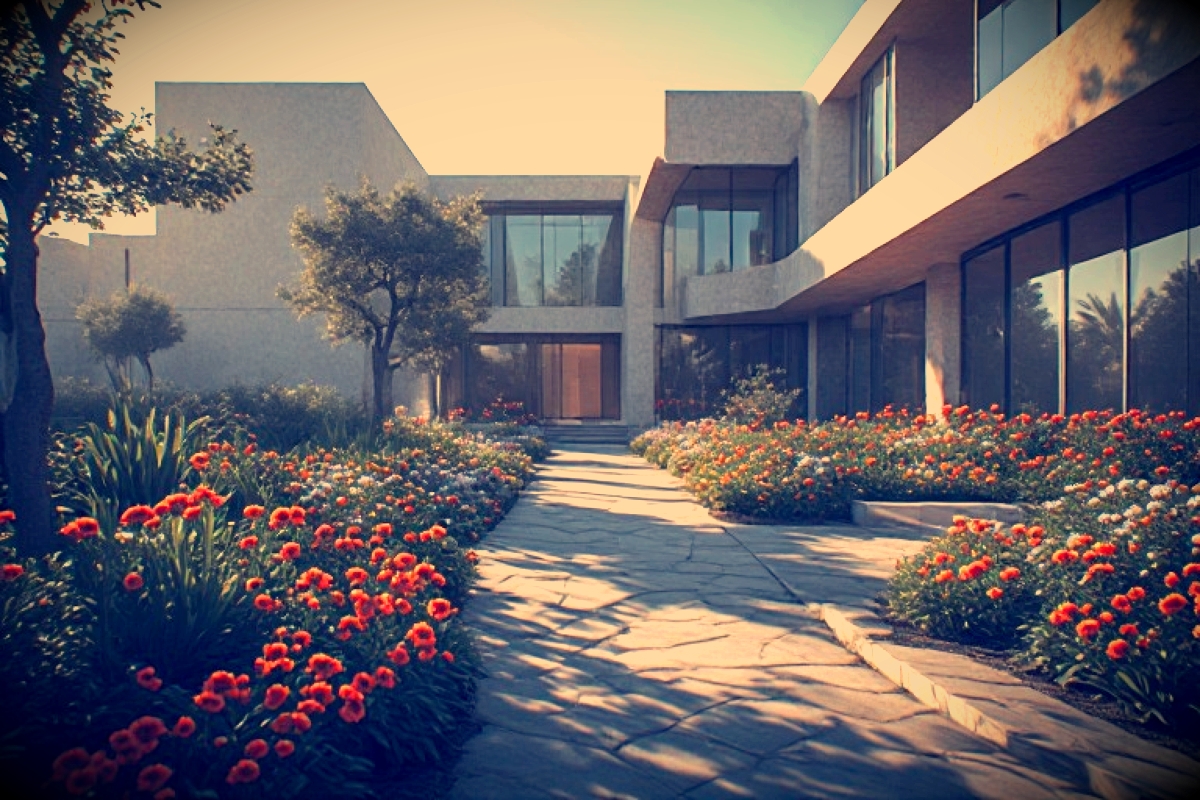
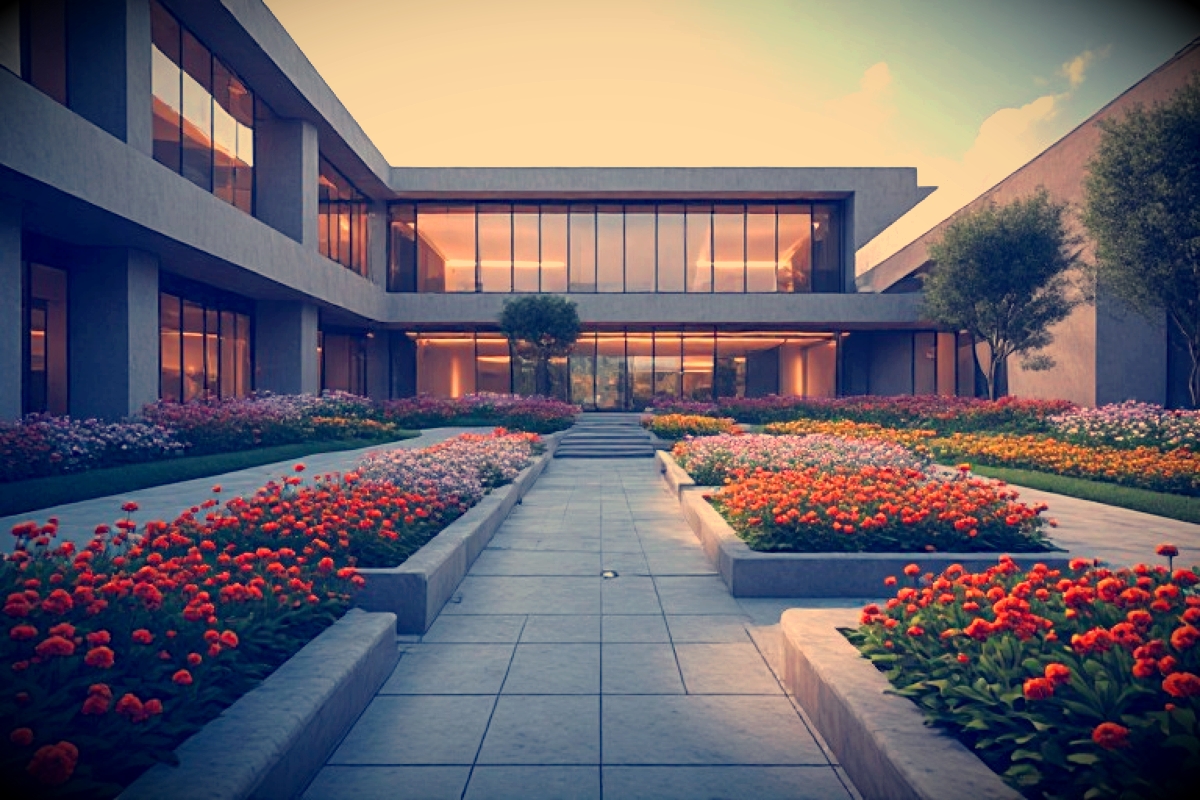
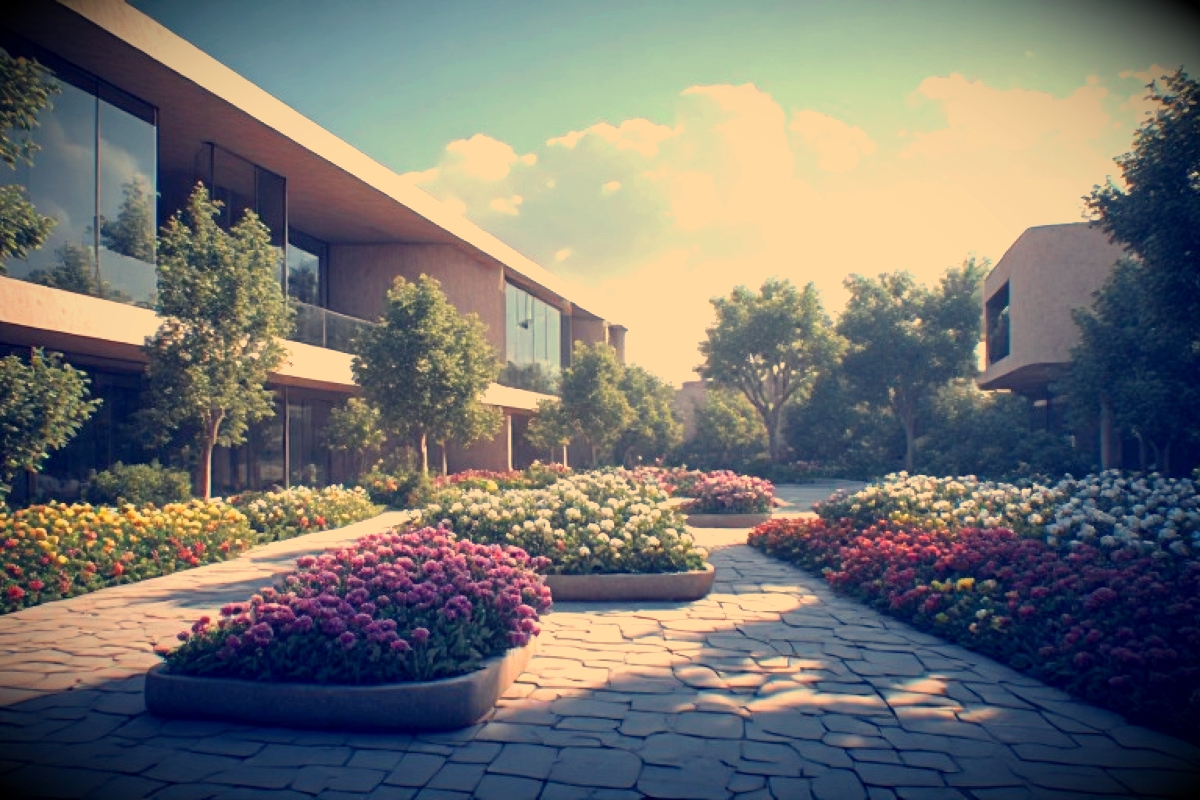
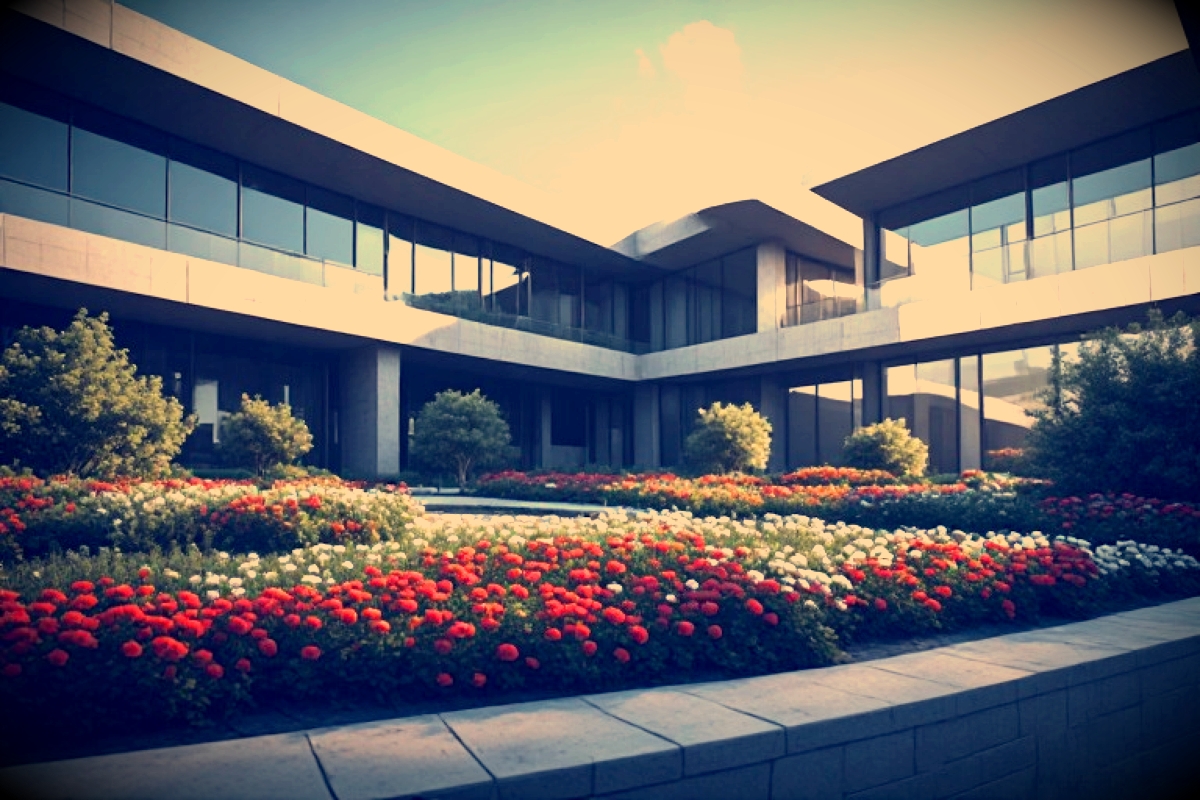
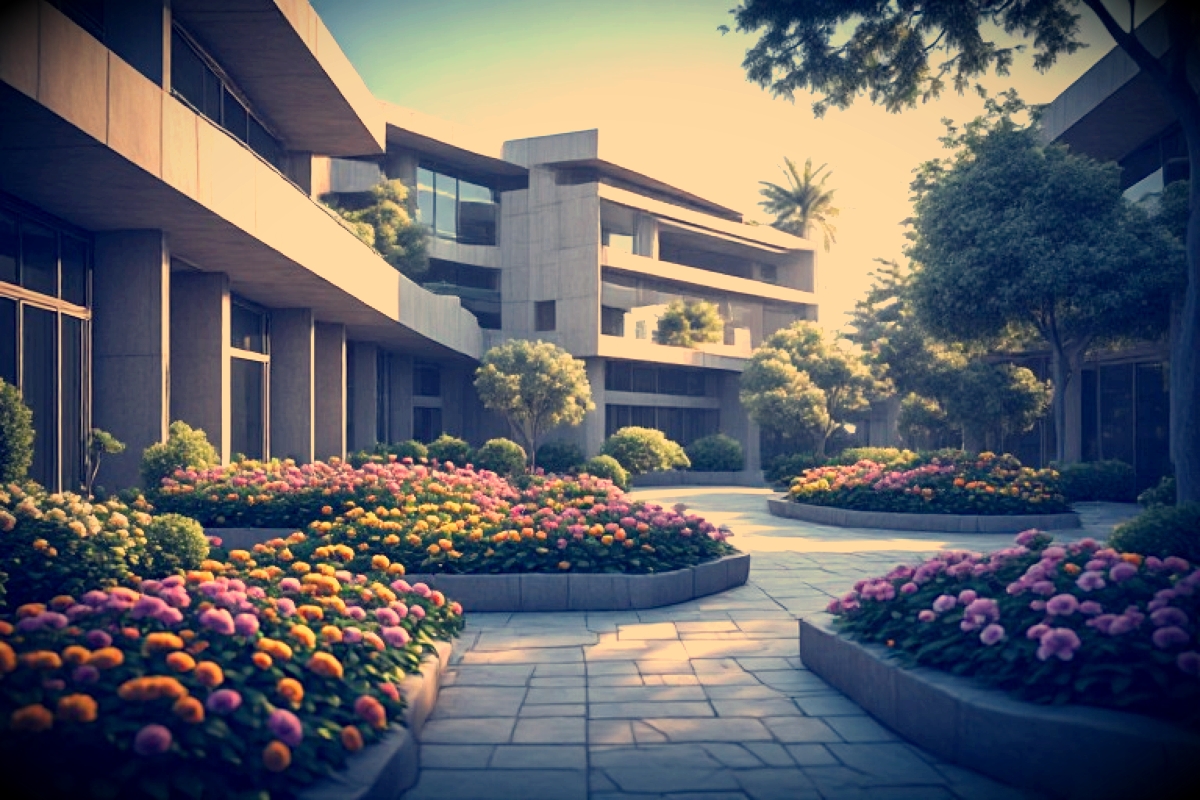
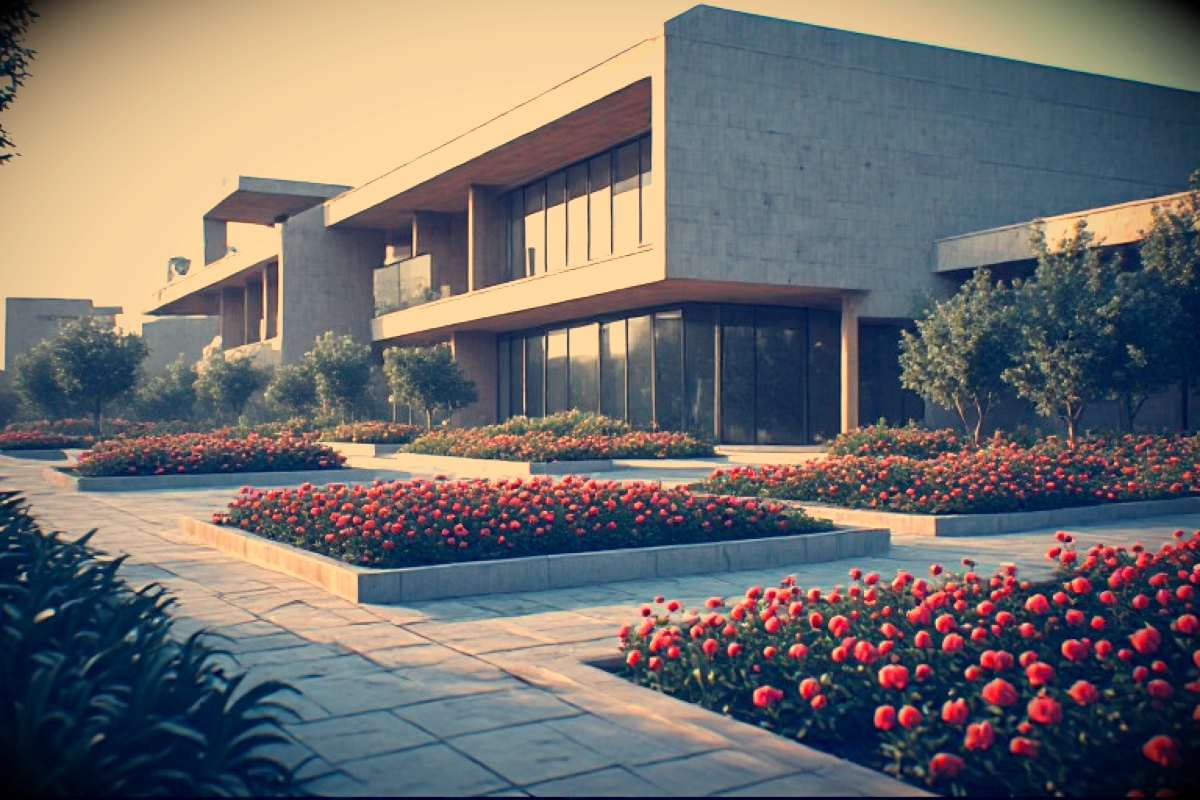
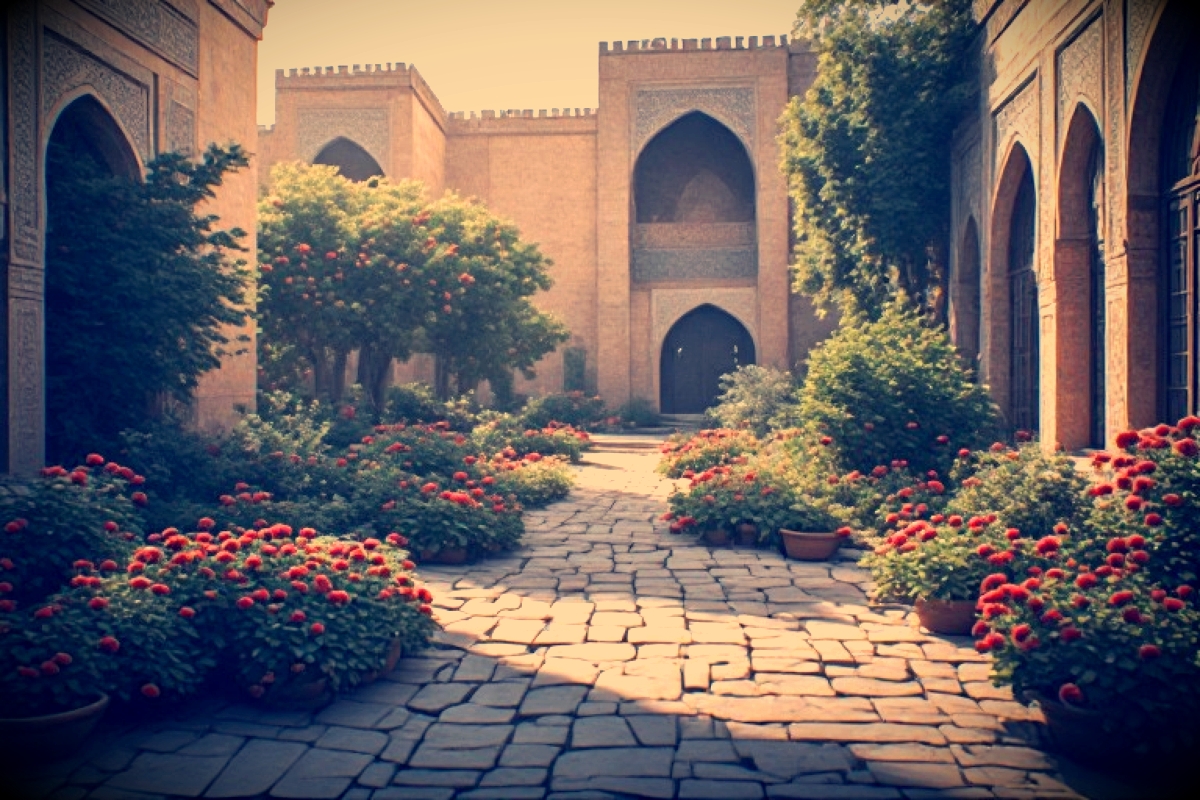
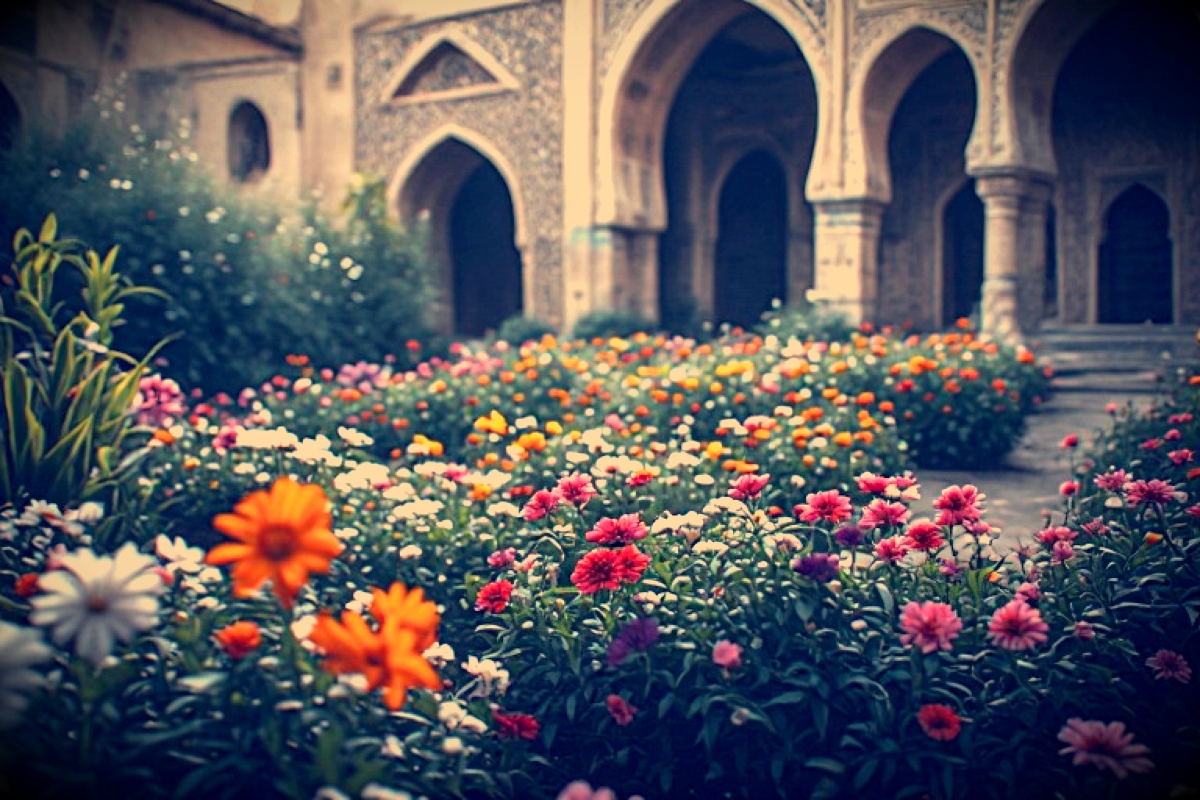
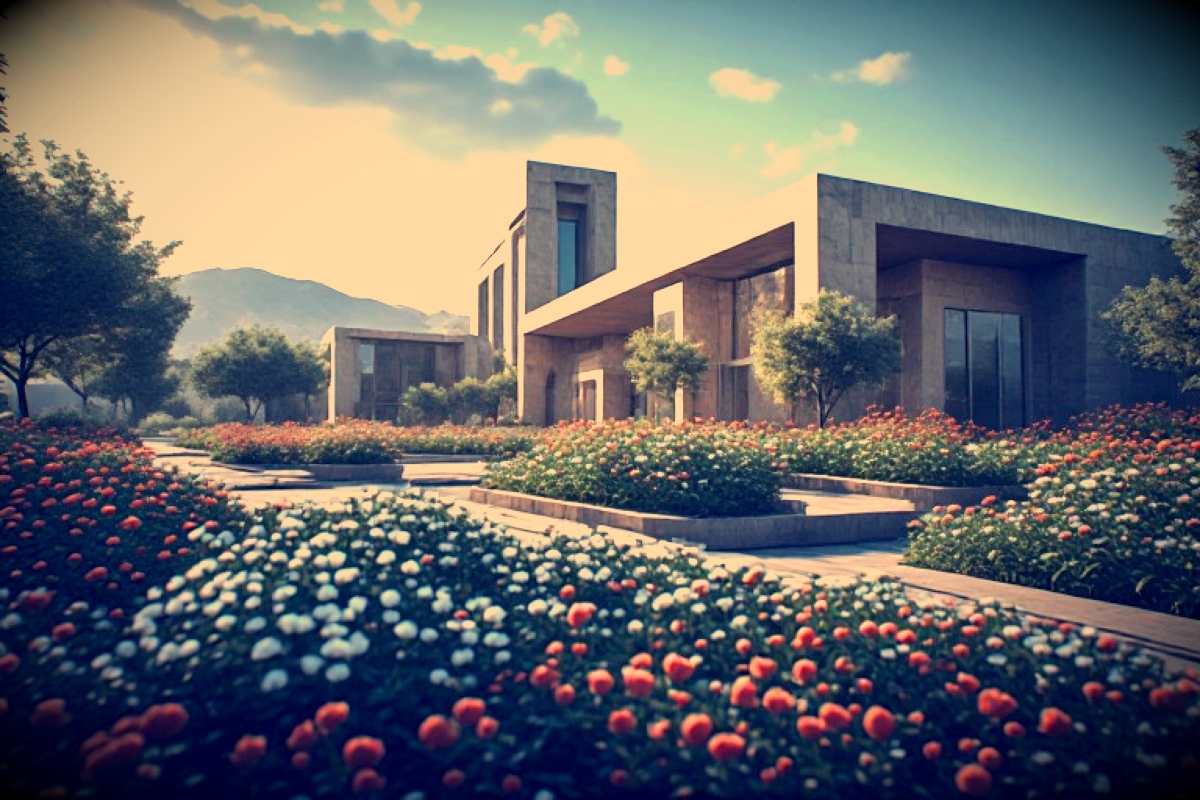
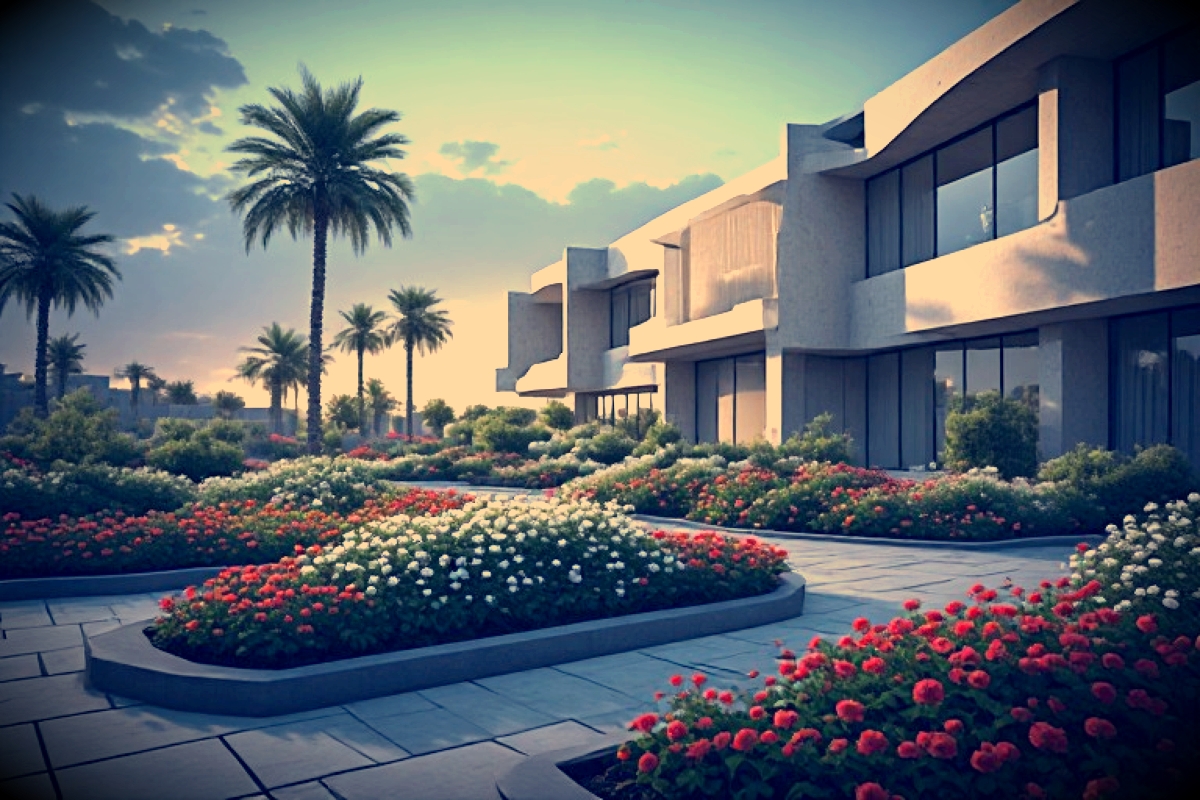
I thought I was making an album. Somewhere along the way, I realized I was designing a building. Not one made of stone or steel, but of sound, memory, silence, space, and frequency.
The question at its foundation was:
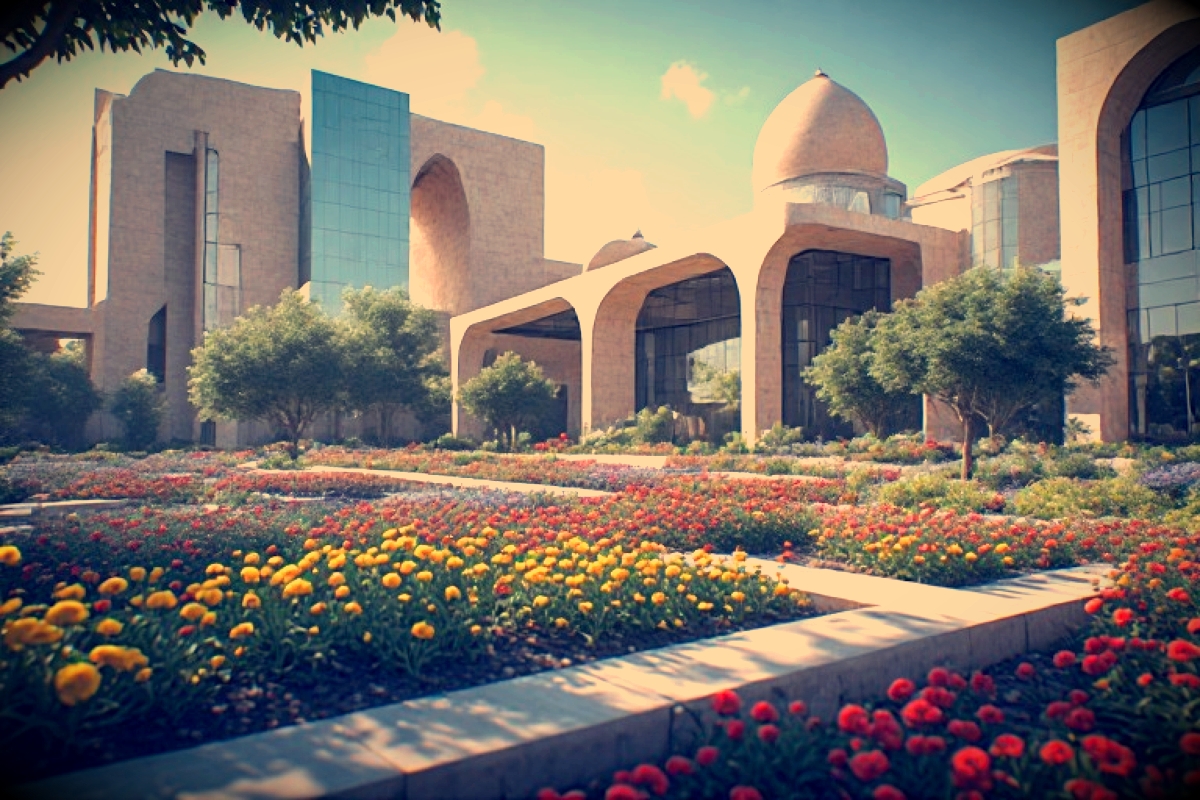
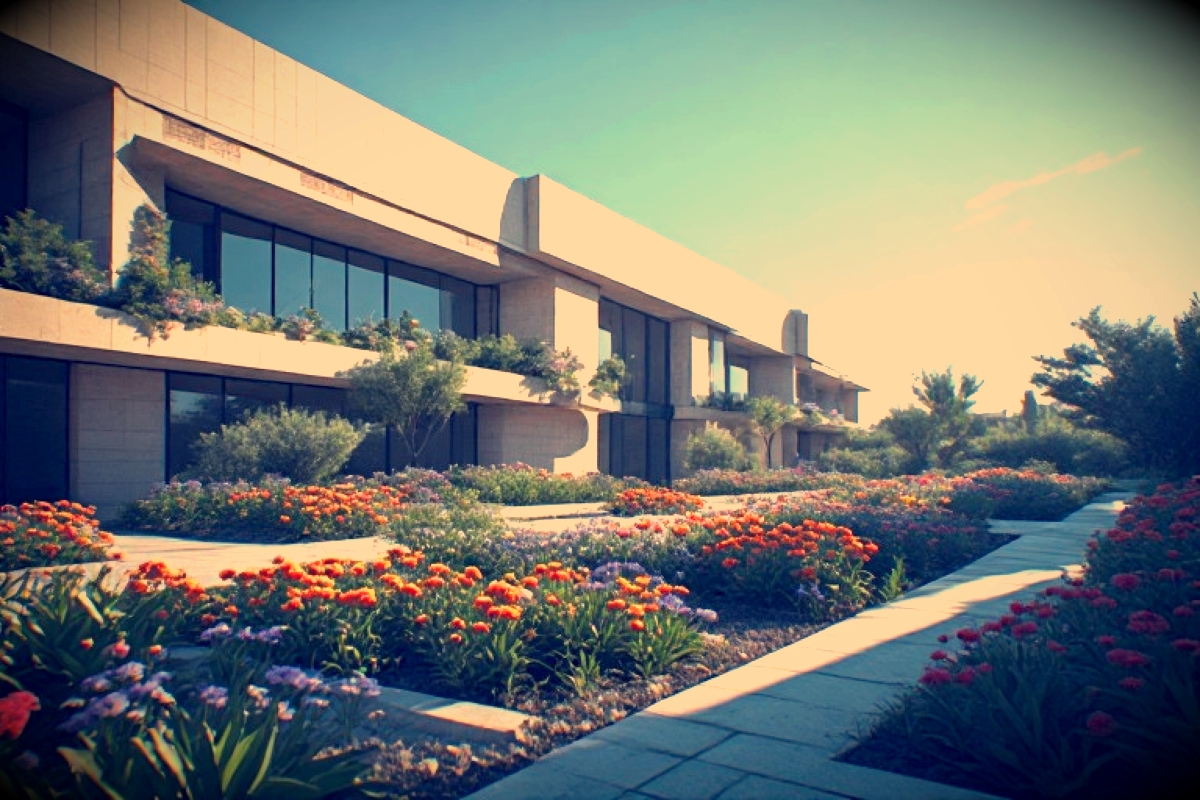
What if consciousness were a place, and music were the architecture through which we moved through it?
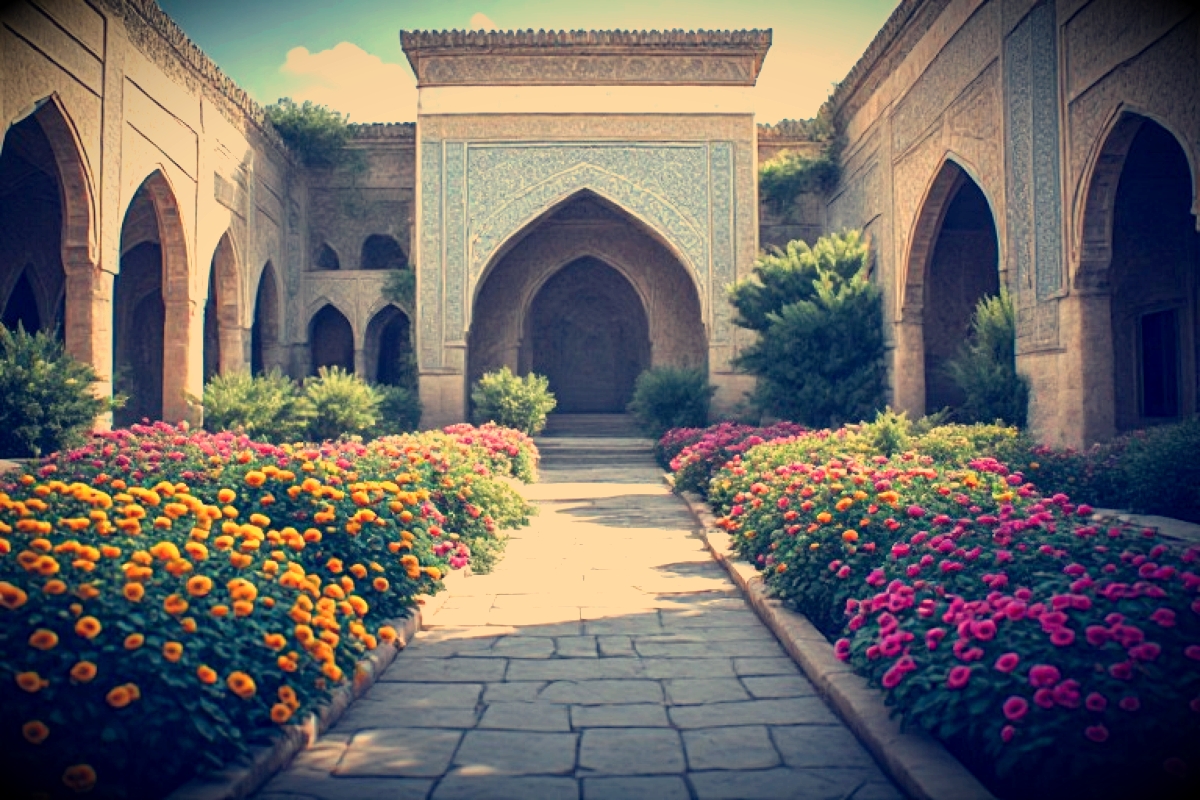
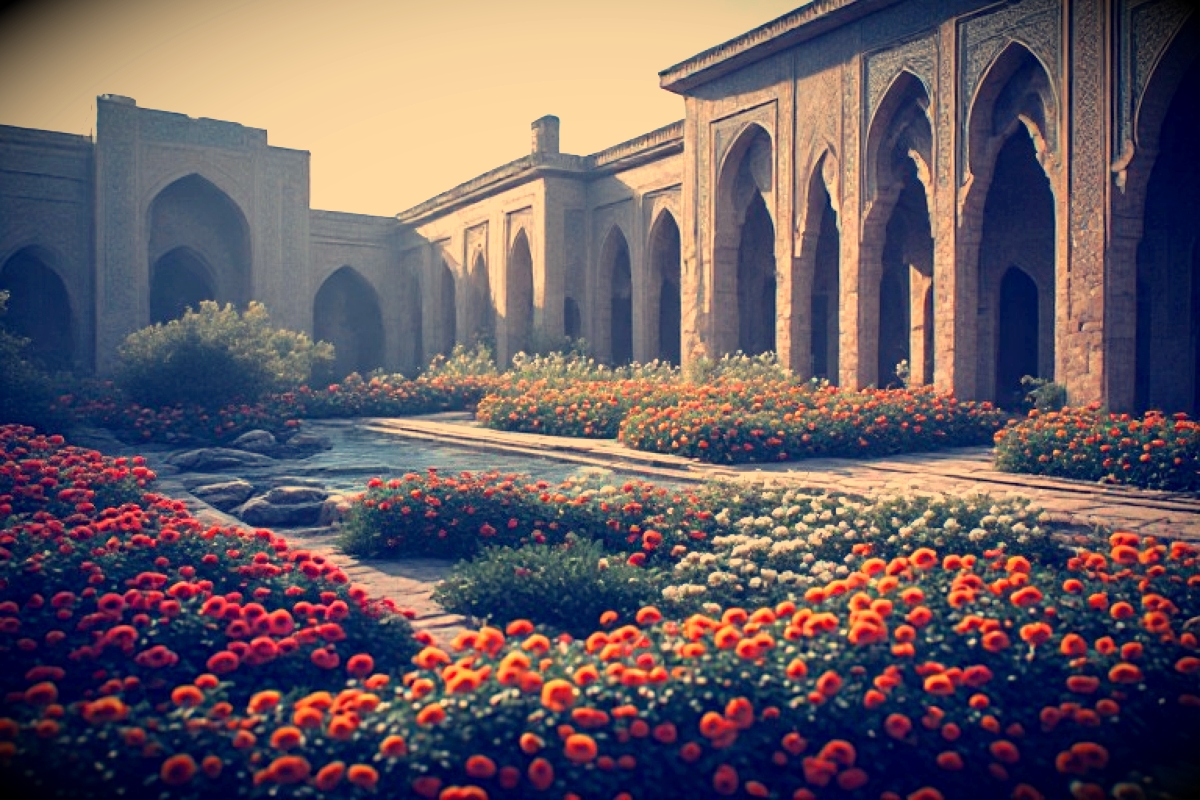
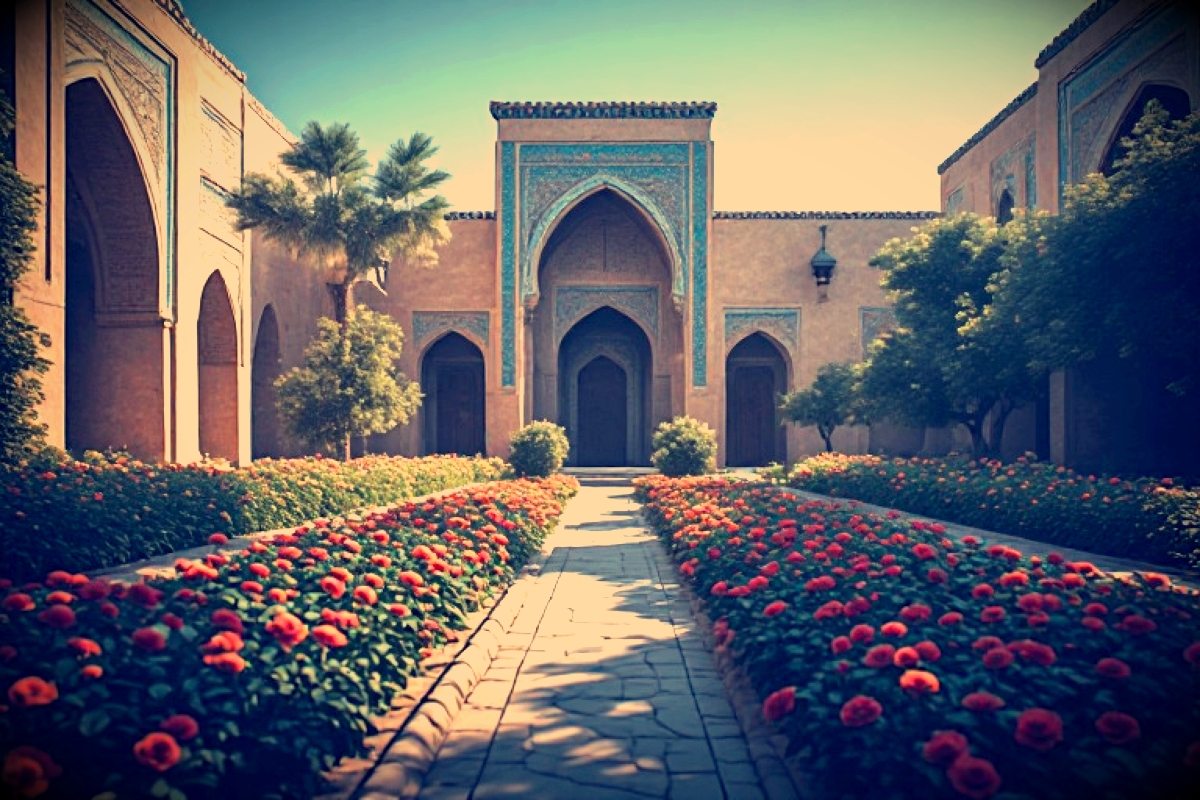
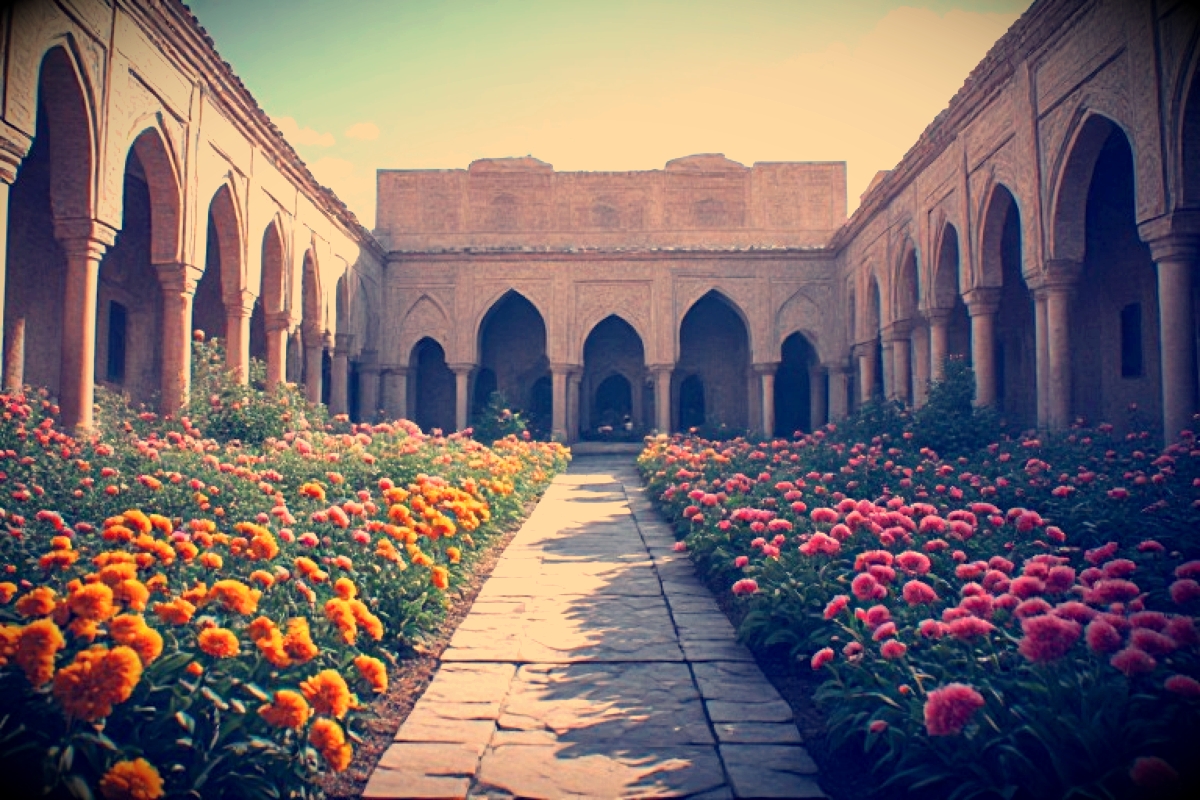
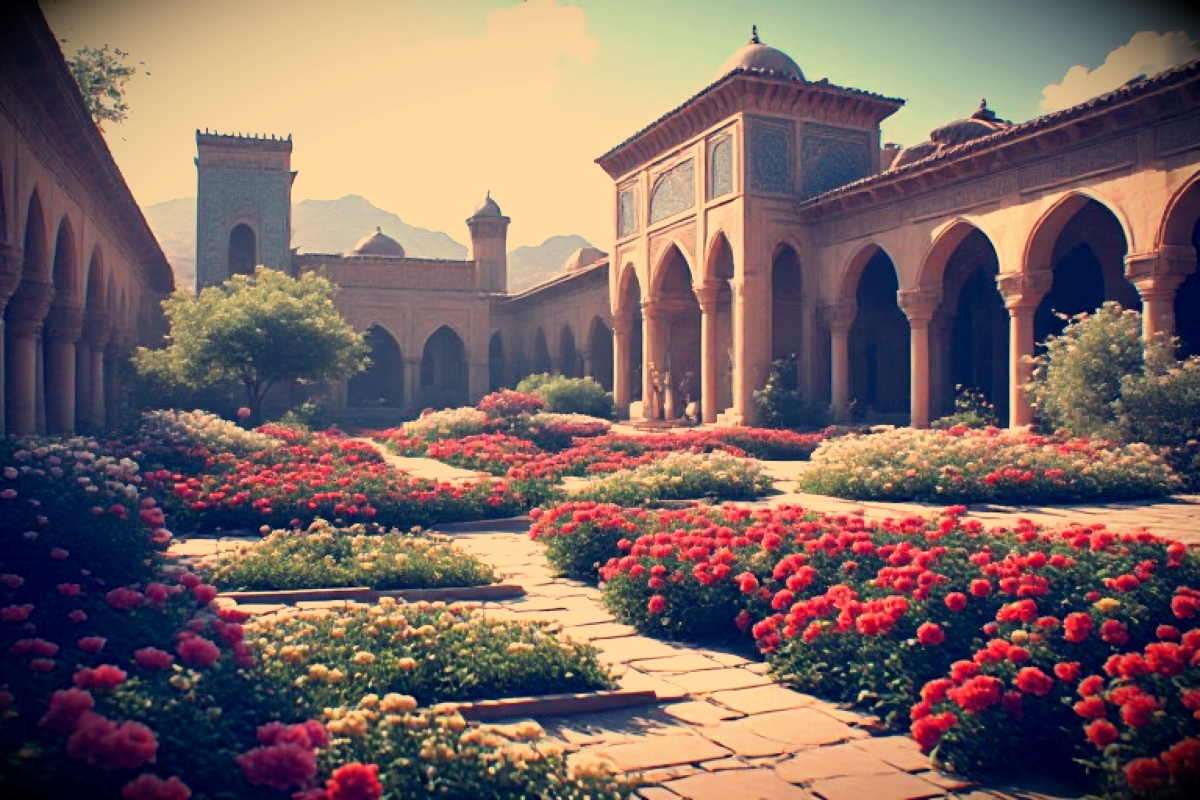
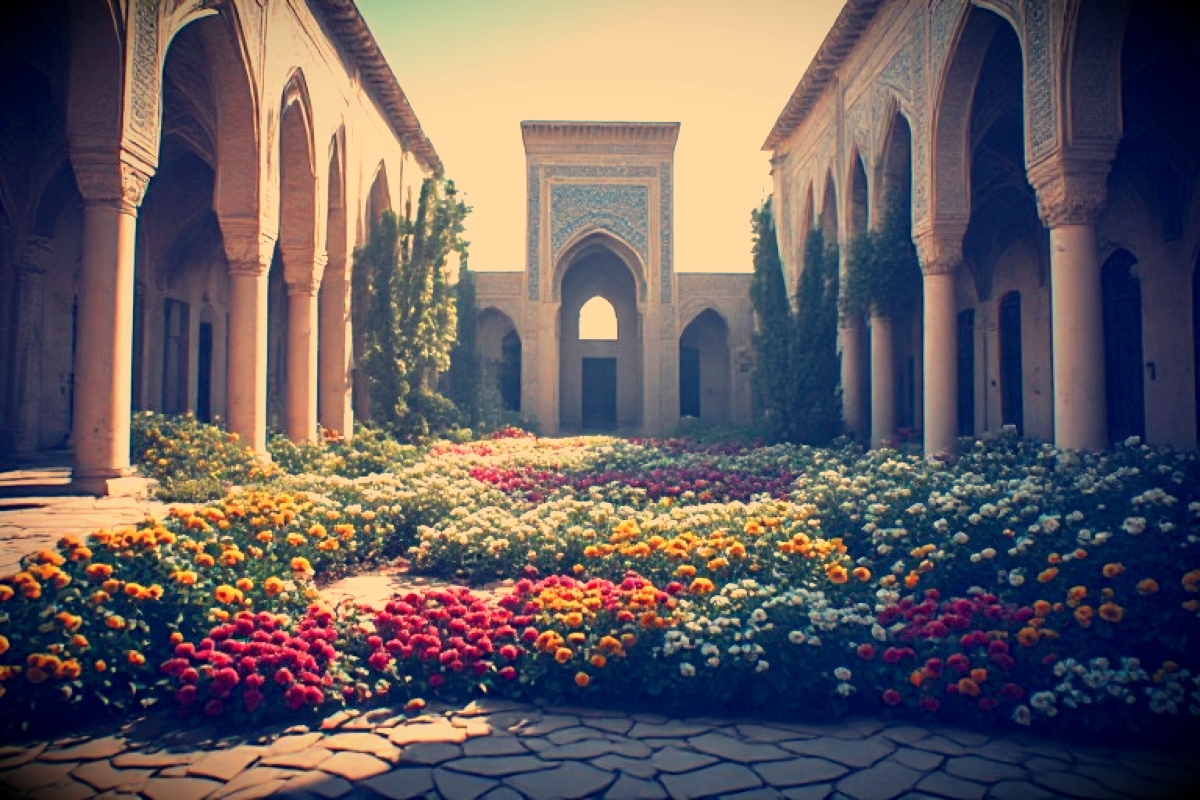
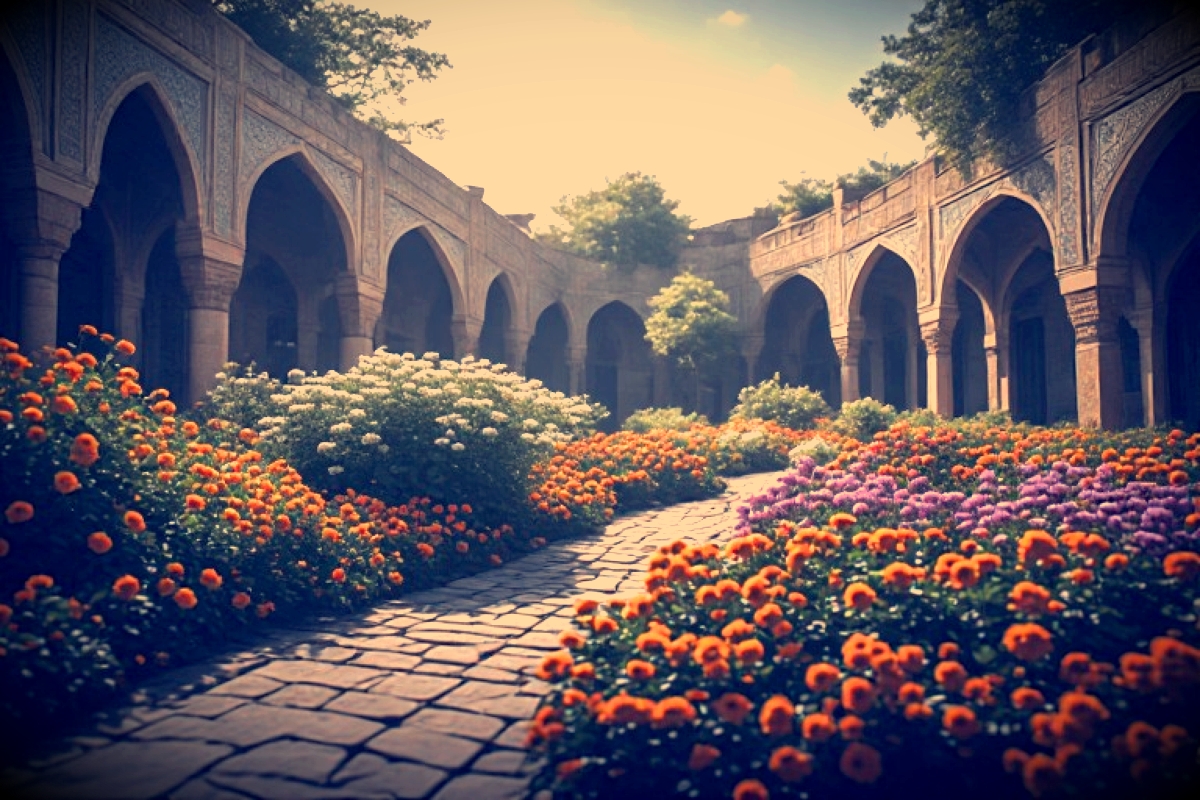
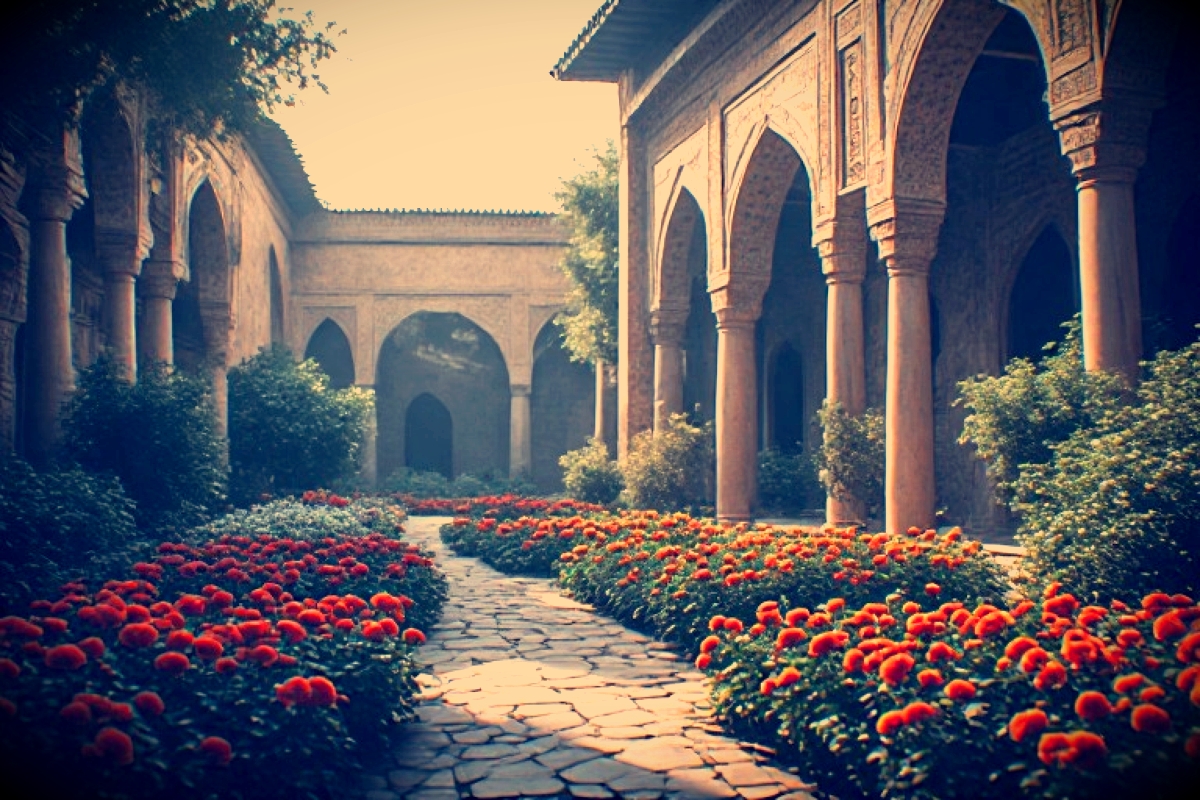
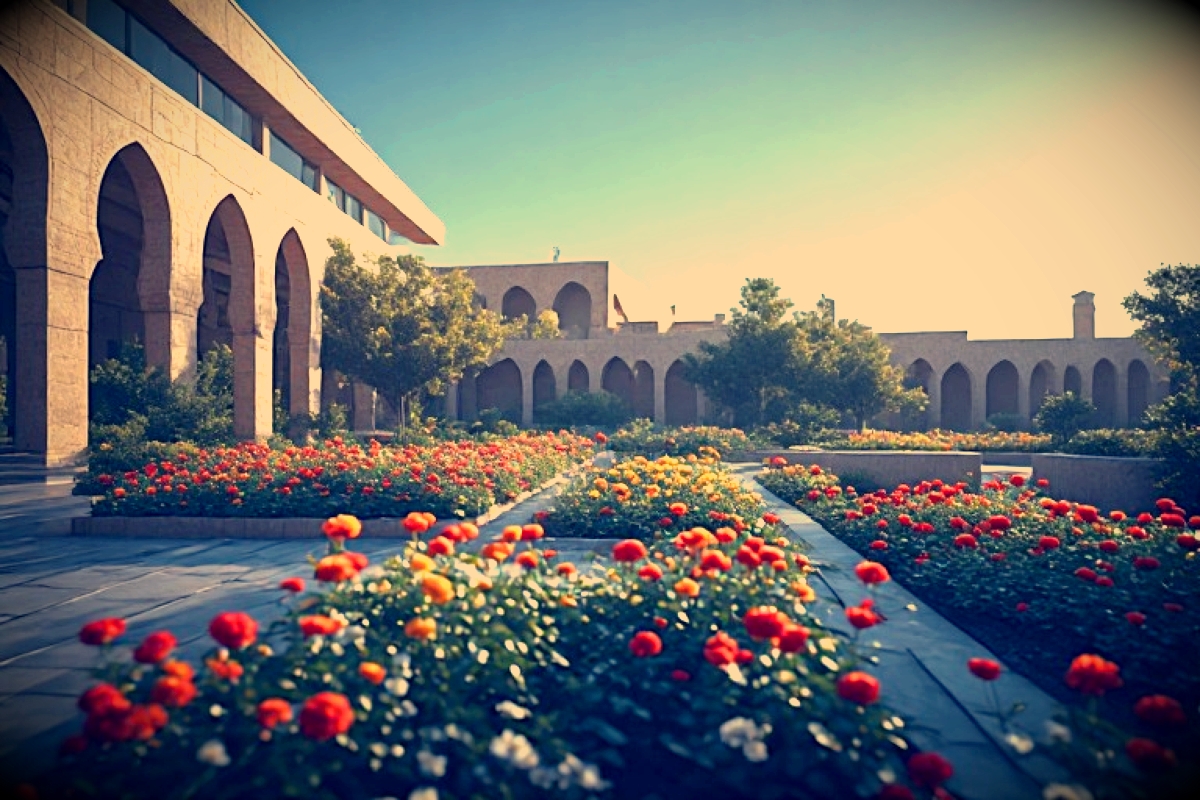
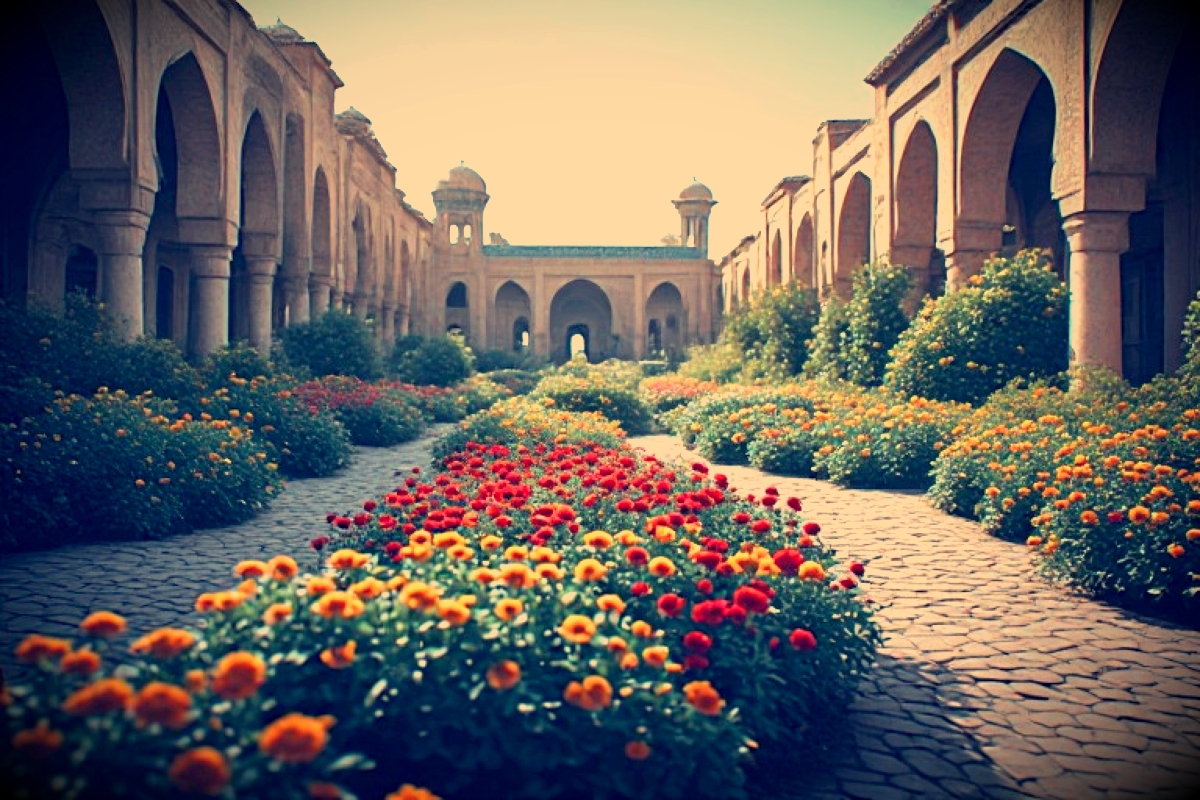
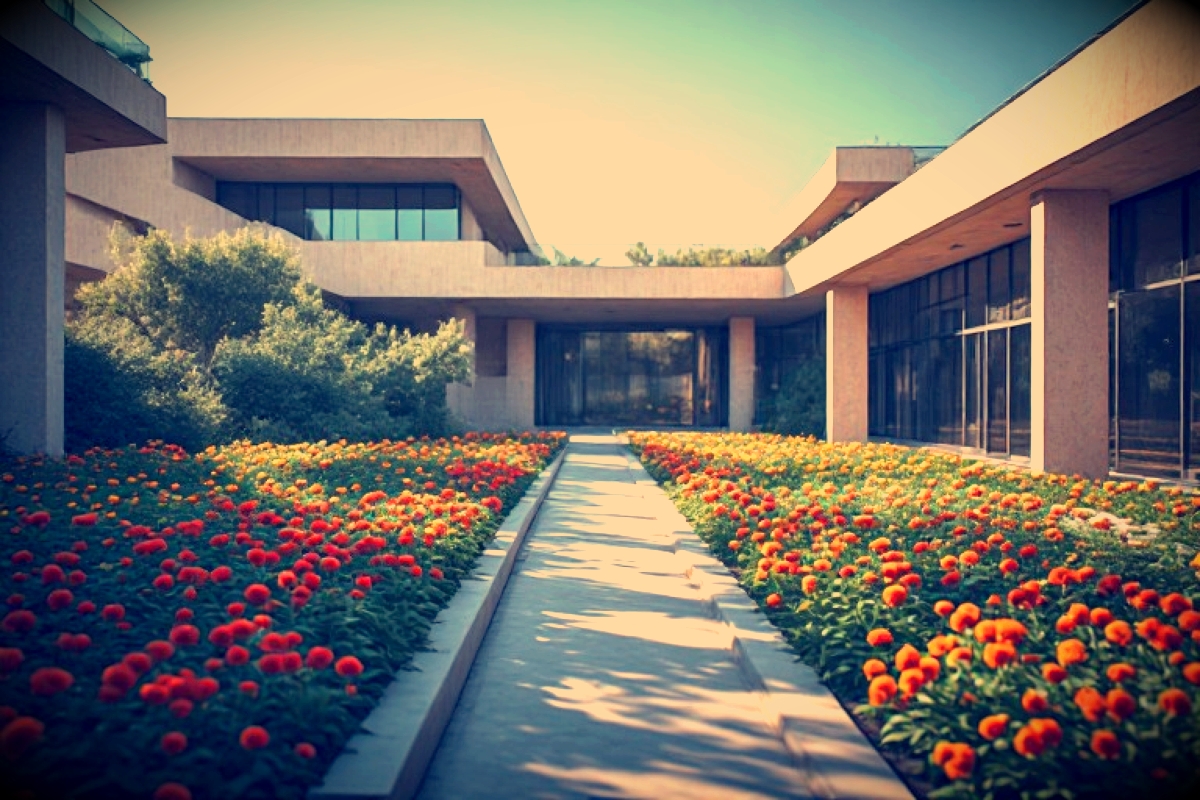
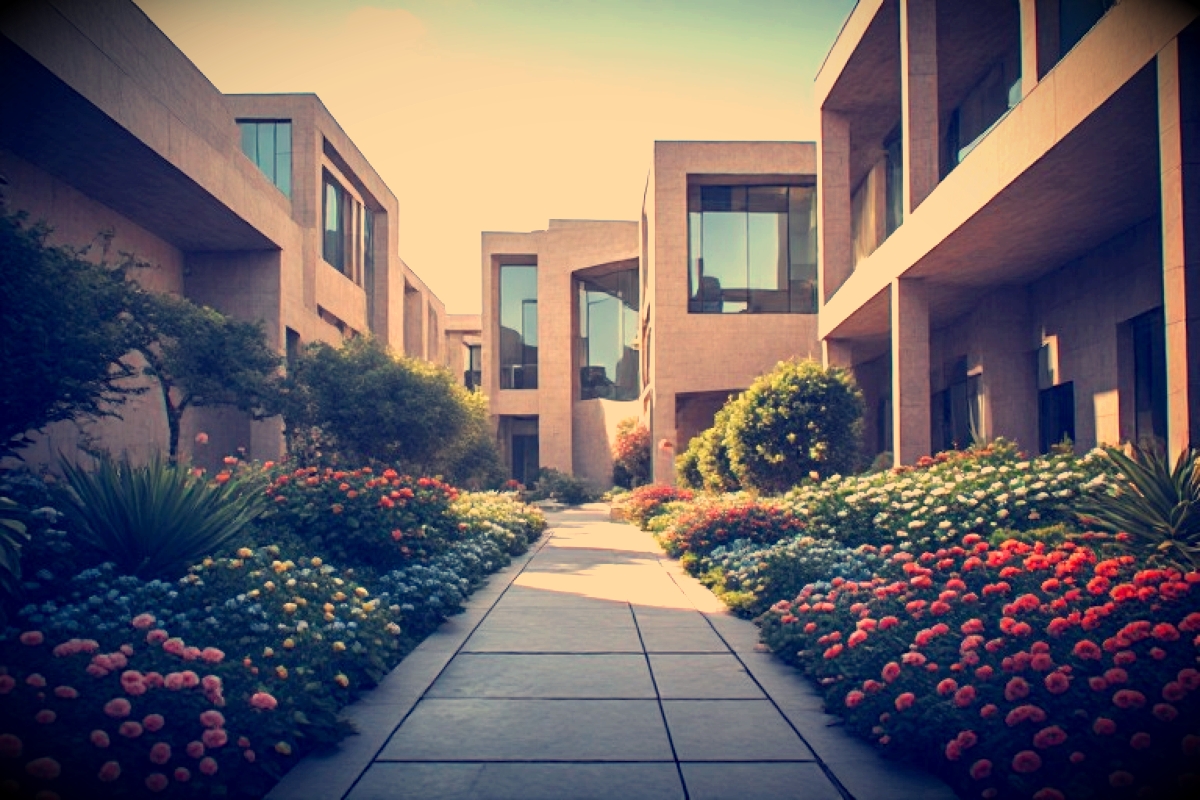
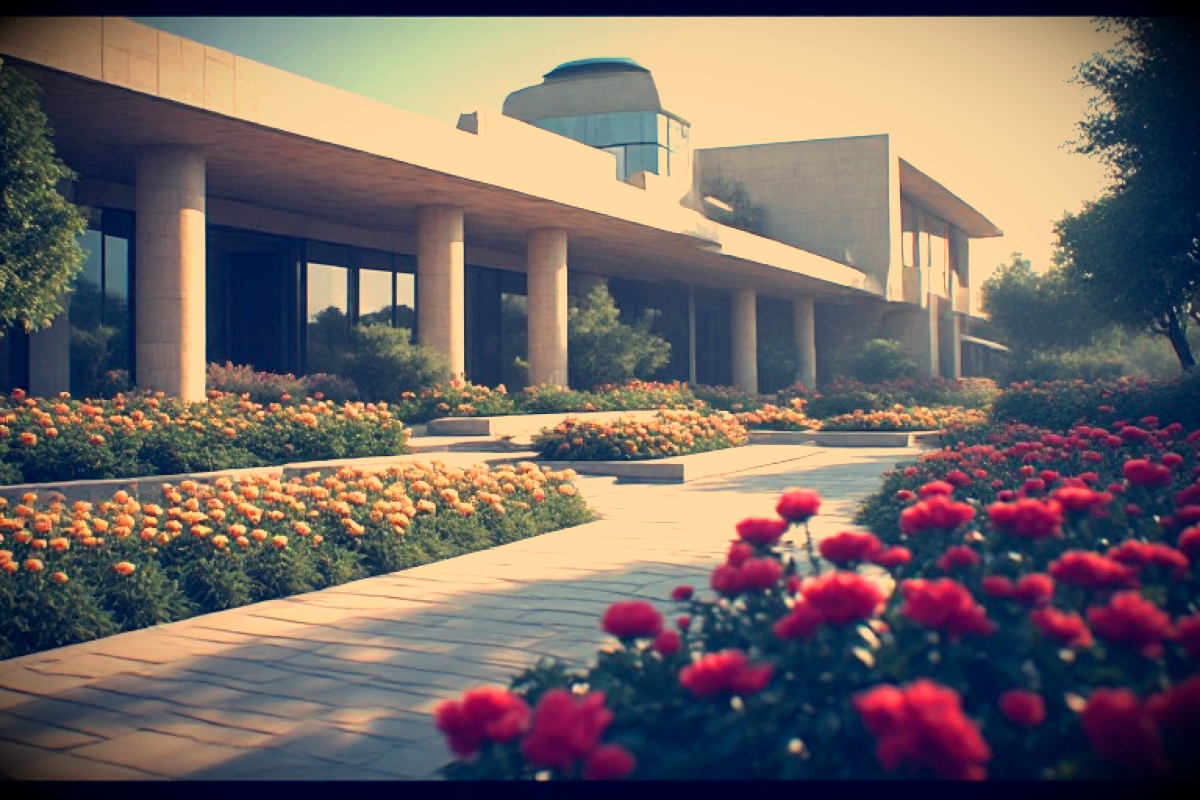
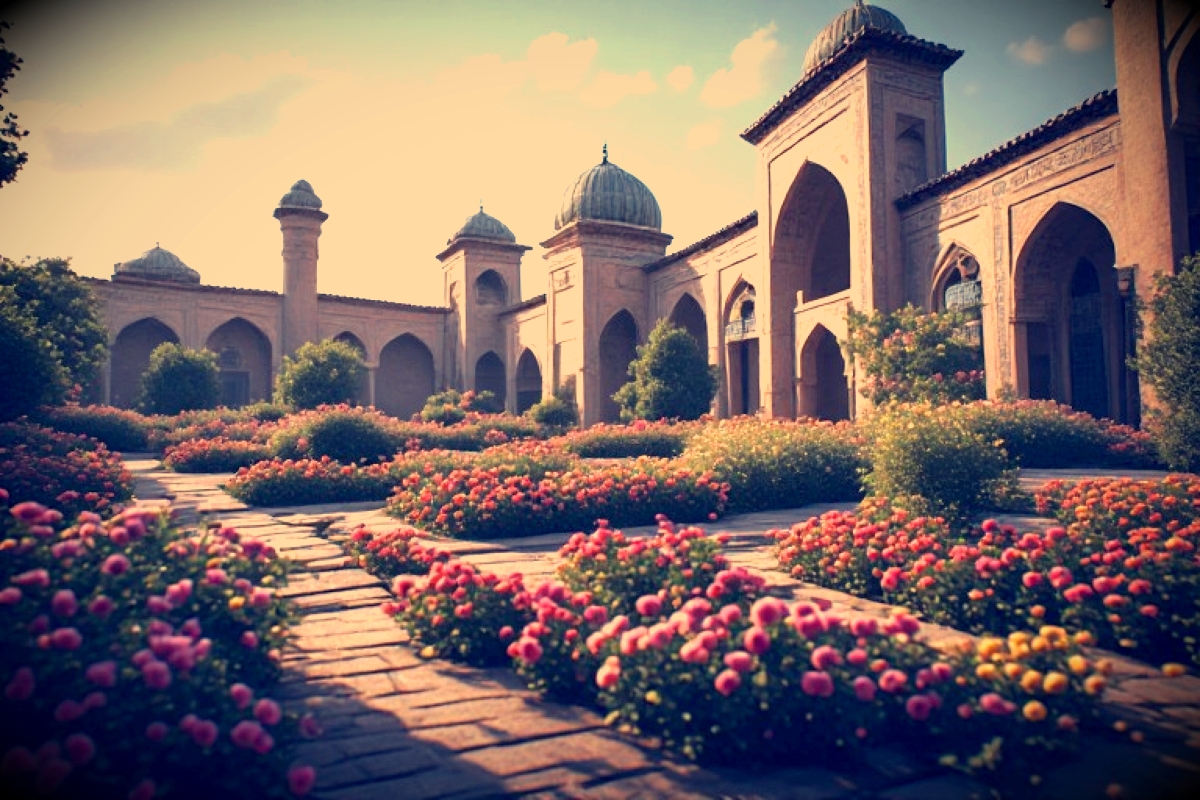
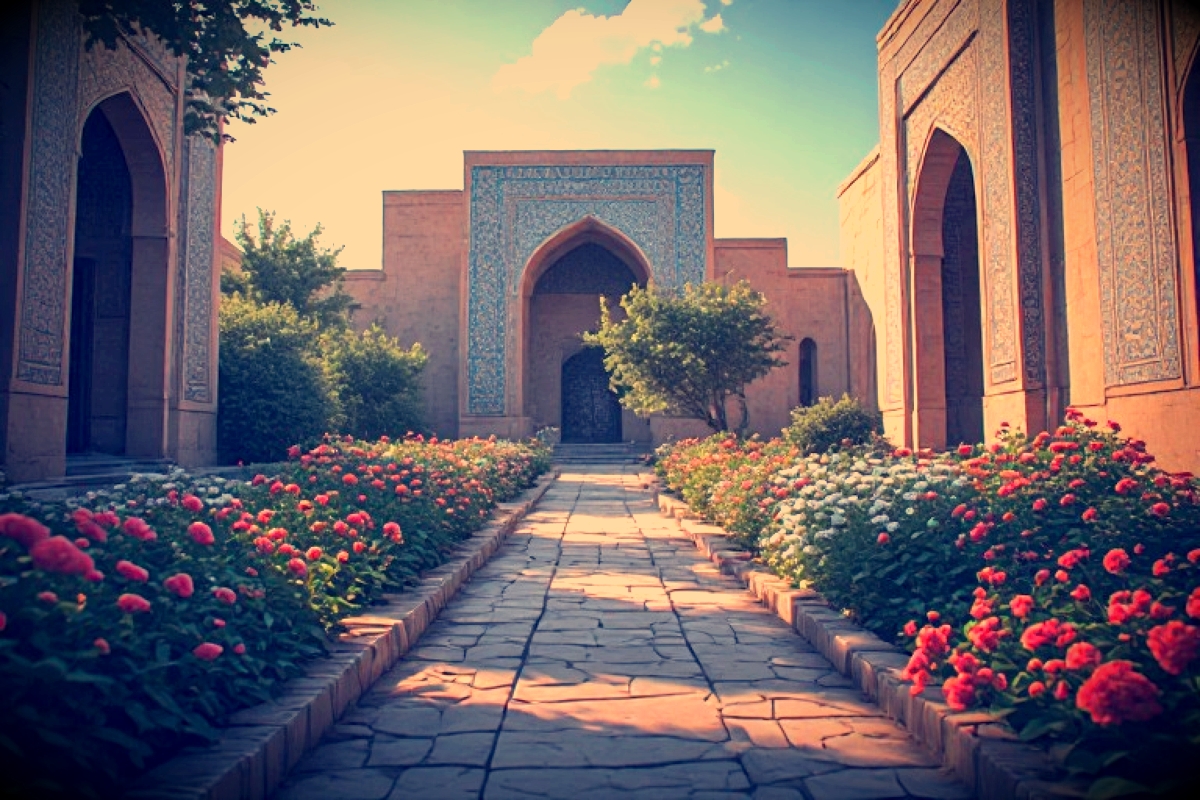
Designing Inner & Outer Frequencies is that place: seven Iwans, each containing seven Rooms, creating 49 Spaces.
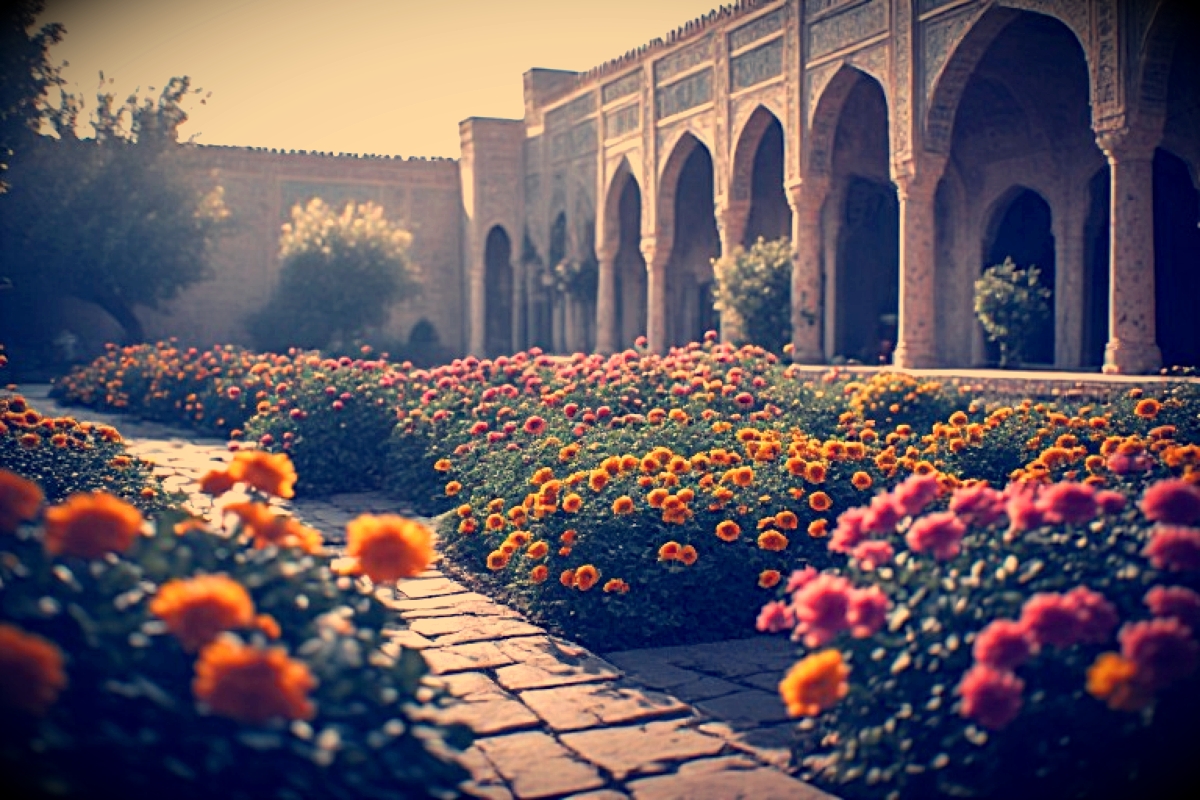
An Iwan is a distinctive Iranian architectural form, an open transitional space between interior and exterior. That idea became central to this music because this album is also about thresholds, between inner and outer, memory and presence, enclosure and freedom.
Seven has a long and recurring presence in Persian and Iranian cultural traditions. Forty-nine, however, is not presented here as an ancient Persian sacred number. It is something I built from that sevenfold architecture:
7 Iwans × 7 Rooms = 49 Spaces
The journey begins with The Inner Room, moves through Threshold, The Geometry of Memory, and the expansive Between Two Worlds, before returning inward through The Room Within, dissolving outward through Outside the Walls, and finally arriving at Becoming Space.
The music draws from Persian modal traditions and instruments including setar, santur, kamancheh, frame drum, and prepared piano, surrounded by deep analog drones, electronic textures, granular sound, environmental resonance, and carefully designed spatial movement.
I did not want the electronic and acoustic elements to sit beside one another. I wanted them to gradually become indistinguishable.
The setar becomes interior thought.
The santur becomes geometry and reflected light.
The kamancheh becomes longing moving through space.
The piano becomes memory.
Silence becomes part of the architecture.
There is also an intentionally subtle layer beneath the music: an 8 Hz binaural frequency relationship, created with 220 Hz in one channel and 228 Hz in the other. You may never consciously hear it, and that is intentional. It is an artistic layer, informed by the 8 Hz position within the alpha-frequency range associated with relaxed wakefulness. It is not a medical treatment, prescription, or promise of a particular psychological or physical effect. Human responses to sound are individual.
For the intended binaural effect, headphones are recommended. But headphones are absolutely not required to enjoy the music.
How You Can Enter
You can experience the entire seven-Iwan journey as one continuous work, allowing the architecture to unfold from inward contemplation to expansion, dissolution, and silence.
You can listen to one Iwan at a time, perhaps while reading, writing, creating, studying, coding, traveling, resting, or simply making room for thought.
Or you can explore the 49 individual Rooms without the binaural layer, allowing the musical architecture itself to stand alone. Choose one Room, return to another, shuffle them, or create your own path.
There is no required way to listen.
There is no promised destination.
The listener completes the architecture.
I built the rooms.
I left the doors open.
You bring the architecture.
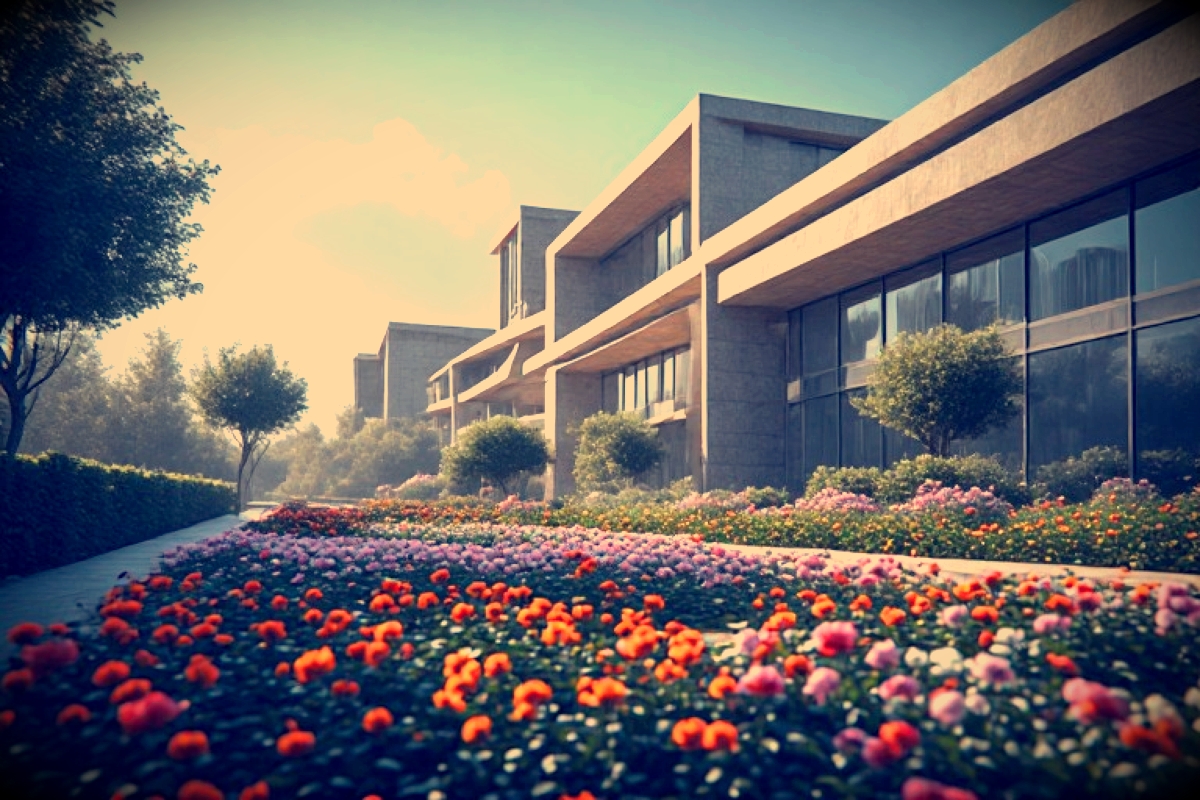
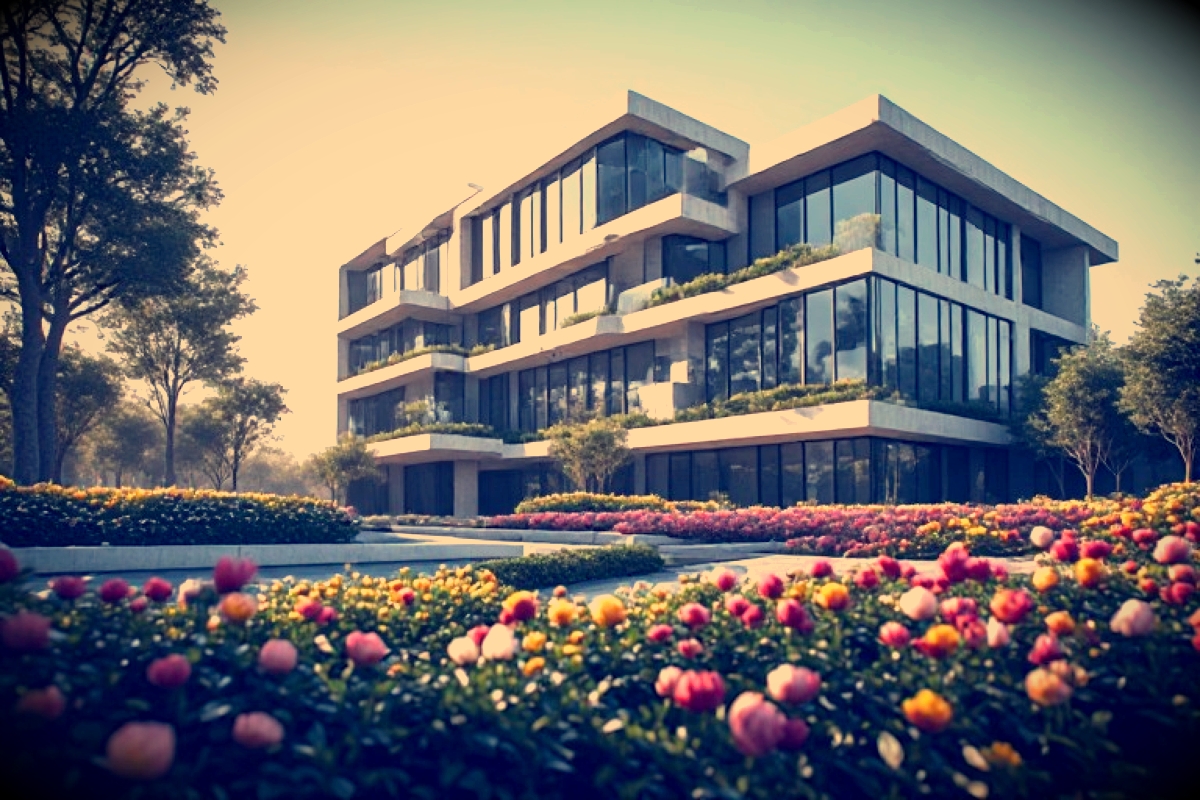
We spend our lives building spaces around ourselves while carrying entire architectures inside us. Memories, boundaries, relationships, experiences, doors and windows through which we encounter the world. Perhaps those inner and outer worlds were never entirely separate. Perhaps music can occupy the space between them.
So take your time. Enter wherever you like. Stay as long as you wish. And if you find a Room that feels strangely familiar, you don’t have to explain why. Just stay there for a while.
We build rooms around ourselves until we discover that consciousness was the architecture all along.
— JJ, Sound Designer
Human + AI · Creative Collaboration
Create an entirely instrumental Persian ambient architecture composition that feels like entering a forgotten interior at dawn.
Begin in near-free time with extremely sparse breath sounds, subtle room tone, distant architectural resonance, and one isolated prepared-piano note whose decay is allowed to occupy a large amount of space.
Introduce a very deep, warm analog synthesizer drone almost below conscious awareness. The drone should establish a modal tonal center without becoming a conventional chord progression.
After an extended opening, introduce an extremely distant santur playing isolated crystalline notes, with enormous natural-sounding acoustic space between each phrase. The santur should feel like reflected light moving across a stone room.
Gradually introduce an intimate setar very close to the listener. The setar should play a simple, emotionally ambiguous Persian modal motif, restrained and unhurried, with subtle ornamentation and long pauses.
Use prepared piano very sparingly, with muted mechanical resonance suggesting footsteps, furniture, old wood, and physical memory.
No conventional percussion for most of the composition. Eventually introduce an almost imperceptible pulse around 58 BPM, but allow the music to repeatedly drift back toward free time.
Use extremely wide but natural spatial depth. Setar and piano close to the listener, santur distant, drone surrounding everything.
Introduce a barely perceptible 8 Hz binaural frequency layer as an invisible compositional foundation, never as an audible effect.
The composition should slowly become more detailed without becoming louder or more dramatic.
End without a conventional resolution. Let the setar motif disappear into the room while the drone and acoustic resonance remain briefly after the apparent ending.
Mood: intimate, contemplative, enclosed, mysterious, fragile, ancient, peaceful.
Avoid: cinematic melodrama, New Age clichés, obvious percussion, bright synth leads, conventional chord progressions, vocals, lyrics, ethnic-fantasy clichés, dramatic climax.
Create an entirely instrumental Persian ambient architecture composition representing the moment of crossing from one interior space into another.
Continue subtle sonic DNA from the previous composition: deep analog drone, spacious modal tonality, intimate setar, distant crystalline santur, prepared piano resonance.
Begin with the setar motif from the previous piece, but alter its final notes so it feels unfinished.
Gradually introduce kamancheh in the middle distance. The kamancheh should answer the setar with long, expressive bowed phrases that suggest longing, hesitation, and movement.
Introduce a very restrained electronic pulse around 62–66 BPM. The pulse should feel organic and almost like a distant heartbeat rather than drum-machine percussion.
Use frame drum extremely sparingly, perhaps one soft strike every several measures, resembling footsteps moving through a corridor.
Allow santur fragments to move gradually through the stereo field. They should feel like sound reflecting from changing architectural surfaces.
Introduce subtle granular processing during the middle section, stretching small pieces of setar and santur into translucent clouds.
The composition should gradually increase spatial width rather than simply increasing volume.
Around the final third, allow the boundaries of the original acoustic room to begin dissolving. Increase reverberation and atmospheric depth while reducing obvious percussion.
The ending should suggest crossing a threshold without ever presenting a literal climax.
Use a subtle 8 Hz binaural architecture beneath the composition, slightly more spatially apparent than in Track I but still never presented as an obvious effect.
Mood: anticipation, uncertainty, possibility, quiet courage, transition.
Avoid: dance-floor techno, heavy percussion, cinematic tension, obvious drops, vocals, lyrics, commercial ambient clichés.
Create an entirely instrumental Persian ambient electroacoustic composition exploring memory as an architectural structure.
Begin with fragments of the melodic motif established in the first two compositions, but do not state it completely.
Build the piece around repeating santur cells inspired by geometric patterns. The patterns should be precise enough to suggest architecture but irregular enough to retain human imperfection.
Introduce prepared piano using short repeating cells, muted attacks, sympathetic string resonance, and mechanical details. The piano should feel physical and tactile.
Layer setar fragments between the repeating structures, sometimes close and dry, sometimes distant and reverberant.
Introduce kamancheh very gradually, holding long tones that stretch across the rhythmic geometry.
Use deep analog synthesis as a slow-moving harmonic floor rather than a melody instrument.
Apply granular processing to selected santur, piano, and kamancheh fragments. Transform recognizable sounds into distant memory-like textures.
Establish an understated pulse around 68 BPM, but allow sections where the pulse becomes ambiguous.
Create a sensation of multiple architectural rooms existing simultaneously: intimate foreground details, middle-distance instruments, enormous distant resonances.
The central melodic motif should appear approximately halfway through the piece, but altered rhythmically and harmonically enough that it initially feels unfamiliar.
Gradually reveal that it is the same musical idea from Track I.
The final section should become increasingly spacious, with the geometric patterns breaking apart into reverberant fragments.
Use the 8 Hz binaural architecture subtly beneath the composition.
Mood: nostalgia, recognition, temporal ambiguity, memory, wonder, beautiful disorientation.
Avoid: busy virtuosity, conventional song structure, obvious emotional swells, vocals, lyrics, cinematic trailer sounds.
Create the central and most expansive instrumental composition of a Persian ambient architecture album, where ancient acoustic musical language gradually merges with contemporary ambient electronica.
Begin with a deep modal drone and a sparse kamancheh phrase.
Introduce santur in crystalline fragments, widely separated across the stereo field.
Bring in setar with a more developed version of the album’s principal melodic motif.
Gradually introduce a restrained electronic pulse around 72 BPM. It should feel like a slow heartbeat embedded inside a massive architectural space.
Add extremely subtle low electronic percussion, never becoming club-oriented.
Allow frame drum to occasionally reinforce the pulse with organic texture.
The kamancheh should become the emotional center of the composition, playing long expressive phrases that gradually become more spacious and sustained.
Build layers of analog synthesizer, granular acoustic fragments, distant santur reflections, prepared piano resonance, and environmental room tones.
The critical transition should occur when acoustic and synthetic sounds begin to become indistinguishable.
Persian modal melody should continue, but the surrounding electronic environment should gradually transform it into something dreamlike and contemporary.
Create an enormous stereo field with multiple depths and slowly moving reflections.
The 8 Hz binaural architecture should reach its greatest spatial complexity here, remaining subtle and integrated rather than advertised.
Do not create a conventional EDM drop or climax.
Instead, allow the piece to become increasingly enormous through density, spatial width, resonance, and harmonic depth.
At the apparent peak, suddenly remove most of the electronic structure.
Leave a solitary kamancheh tone, distant santur resonance, and low drone.
Then silence.
Mood: longing, expansion, crossing boundaries, release, awe, weightlessness.
Avoid: commercial EDM, obvious techno kick patterns, heroic cinematic climax, ethnic-fusion clichés, vocals, lyrics.
Create an entirely instrumental Persian ambient composition that feels like returning from an enormous external world into the smallest and most intimate room imaginable.
Begin immediately after the spacious disappearance at the end of the previous composition.
Use almost no percussion.
Bring back the setar very close to the listener, playing the album’s principal melodic motif in its simplest and most vulnerable form.
Use breath and subtle room tone as genuine compositional elements.
Introduce prepared piano very quietly, with isolated notes and sympathetic resonance.
Add an extremely low analog drone, warm and almost tactile.
The kamancheh should appear only occasionally, very softly, as a distant emotional response to the setar.
Allow large areas of silence between phrases.
The santur should appear only a few times, as tiny distant points of crystalline light.
Avoid rhythmic development for long passages. When a pulse appears, keep it extremely subtle around 55–60 BPM.
The composition should feel less like meditation music and more like a private interior memory.
Introduce subtle 8 Hz binaural architecture, but make it less spatially obvious than in Track IV.
The album’s principal motif should finally sound completely recognizable here.
Do not embellish it excessively.
Its simplicity should carry the emotional weight.
End with setar and prepared-piano resonance gradually disappearing into room tone.
Leave several seconds of near-silence.
Mood: recognition, vulnerability, tenderness, solitude, stillness, intimacy.
Avoid: sentimental piano music, New Age pads, vocals, lyrics, dramatic strings, obvious cinematic resolution.
Create an entirely instrumental Persian ambient electroacoustic composition in which architecture gradually dissolves into environment.
Begin with a recognizable architectural soundscape: distant room resonance, low analog drone, sparse prepared piano, and occasional setar fragments.
Gradually remove the sense of physical enclosure.
Increase the distance and diffusion of the instruments.
Santur notes should become increasingly processed through granular synthesis, transforming individual crystalline attacks into floating clouds of sound.
Kamancheh should begin with recognizable bowed phrases and gradually stretch into sustained spectral tones.
Use environmental textures such as breath, air movement, subtle resonance, and extremely abstract room sounds.
Introduce a restrained pulse around 65 BPM for part of the composition, but progressively reduce its definition until rhythm becomes ambiguous.
Use frame drum only once or twice, then allow it to disappear completely.
The setar motif from earlier tracks should appear in fragments, incomplete and increasingly distant.
The stereo field should become enormous.
Sounds should no longer seem to originate from conventional speakers or instruments. They should seem to exist throughout an environment.
The 8 Hz binaural architecture should become diffuse and nearly indistinguishable from the surrounding spatial field.
During the final third, remove most identifiable acoustic instruments.
Allow granular textures, drone, environmental resonance, and isolated santur harmonics to dominate.
The final sound should feel less like an ending than like the walls have stopped existing.
Mood: liberation, spaciousness, wonder, dissolution, openness.
Avoid: obvious nature music, birdsong, ocean clichés, cinematic environmental scoring, heavy rhythm, vocals, lyrics.
Create an entirely instrumental final composition for a Persian ambient architecture album, representing the dissolution of the boundary between consciousness, architecture, music, and surrounding space.
Begin almost silently.
Use a barely audible analog drone and extremely subtle environmental resonance.
After an extended opening, introduce the principal setar motif one final time.
Play it extremely simply.
No virtuosity.
No embellishment for its own sake.
The melody should feel like the memory of a melody rather than a performance.
Introduce isolated santur notes very far away, each one appearing like a point of light in an enormous dark space.
Allow distant wordless human vocal harmonics to emerge only as abstract spectral atmosphere, without words, language, lyrics, or recognizable lead singing.
Use no conventional percussion.
No obvious pulse.
No conventional chord progression.
Prepared piano may appear as one or two extremely distant resonances.
The analog drone should gradually expand outward through the stereo field while simultaneously becoming quieter.
Create an extraordinary sense of depth, as though the listener is standing inside an architectural space whose boundaries extend beyond perception.
The 8 Hz binaural architecture should be extremely subtle and integrated into the final spatial field.
The music should gradually dissolve rather than resolve.
The final setar note should disappear naturally.
Then leave the listener with room tone and silence.
Do not add a cinematic final chord.
Do not fade abruptly.
The ending should create the sensation that the album has not actually ended; instead, the listener’s physical environment has become the final room.
The last few seconds should contain almost nothing.
Mood: expansion, serenity, transcendence, spaciousness, acceptance, infinite interiority.
Avoid: religious music clichés, cinematic climax, triumphant resolution, obvious meditation music, vocals as a lead element, lyrics, percussion, sentimental ending.
Across all seven compositions, I preserved the feeling that these are not separate recordings assembled into an album. They are seven stages of one sonic structure. A listener should be able to enter the record at Track I and gradually travel outward. They should be able to listen to Track VII alone and feel as though they have entered the final room of a much larger building. The recurring melodic material, modal language, acoustic instrumentation, analog drone, spatial production, frequency architecture, and environmental textures should provide continuity. The album should become progressively less certain about where music ends and space begins.
That is the destination.
Not a place.
Not an answer.
A change in perception.
We build rooms around ourselves until we discover that consciousness was the architecture all along.
Baldly Boldly Becoming is a free 33-track, 93-minute Bluegreen Records LP of deep house and…
Founder’s Day is a free 12-track Americana roots rock concept album (33:35) about a town’s…
What does the future sound like if it keeps its heartbeat? Chrome Heartbeat is a…
Noa Unravi (The Unturned Face) is a free psychedelic indie folk concept album sung in…
The Drum Remembers is a free, six-track instrumental EP released for Indigenous Peoples’ Day 2026,…
Dirt & Diesel is a free 21-track country rap album where backroad storytelling collides with…